
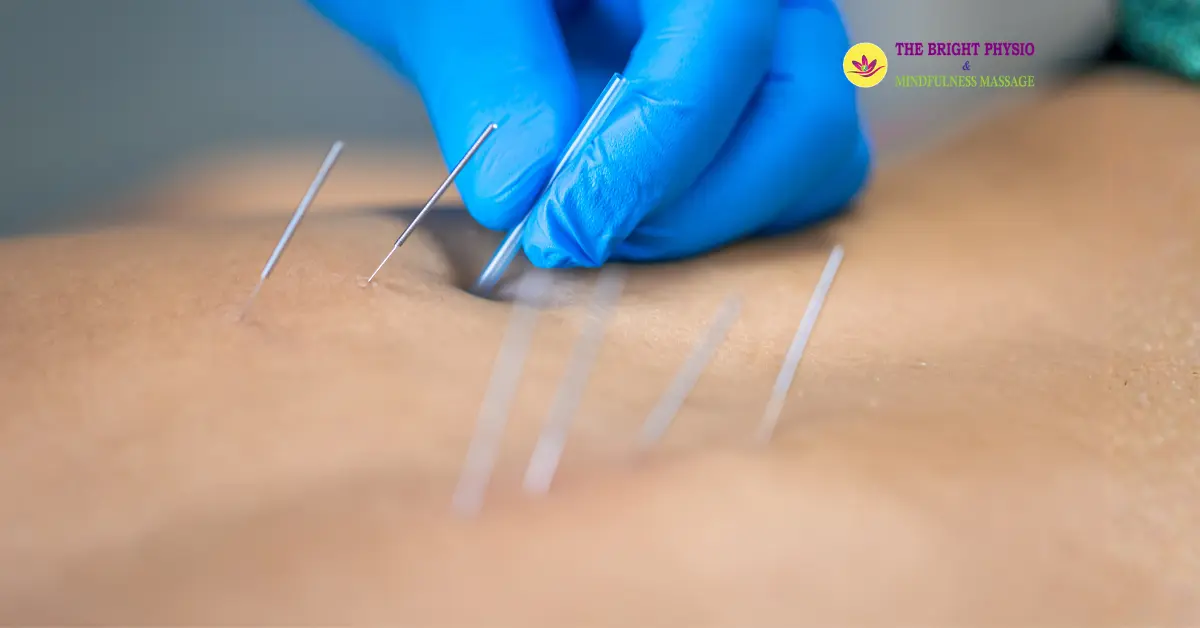
If you are dealing with chronic muscle knots, persistent back pain, or a sports injury that just won’t quit, you’ve likely stumbled upon dry needling. Whether you are seeking care at a clinic in Edmonton or visiting a practitioner in Beaumont, you’ve also likely wondered about the safety of having fine needles inserted into your tightest muscles.
When your body feels like a roadmap of tension, finding a fast, effective solution becomes a priority. But it is completely normal to feel a bit worried. Across our regional clinics, we hear the same questions every day: Does it hurt? Is it safe? How is it different from acupuncture?
Let’s pull back the curtain on this therapeutic technique. We will break down the safety profile, clear up common false beliefs, and give you the exact framework we use to determine if this approach is right for your recovery.
What is Dry Needling and How Does It Work?
What is dry needling? Dry needling is an evidence-based clinical treatment targeting myofascial trigger points, hyperirritable spots in tight muscle bands. Using thin, sterile, non-medicated needles, a trained clinician deactivates these knots, resets neuromuscular dysfunction, alters local chemical environments, and accelerates your overall physical rehabilitation.
To understand why this Dry needling physiotherapy method is effective, look inside a locked muscle. When a muscle overworks or suffers trauma, it contracts chronically, creating a localized zone of poor circulation and oxygen deprivation called a myofascial trigger point, or muscle knot.
Inserting a solid filament needle into this spot causes a brief, involuntary micro-contraction called a local twitch response. This acts as a nervous system reboot, forcing muscle fibers to relax, opening blood flow, and flushing out built-up inflammatory waste products.
Dry Needling vs. Traditional Acupuncture
While they use similar stainless-steel needles, the underlying philosophies are completely different:
- Acupuncture: Rooted in Traditional Chinese Medicine (TCM), this practice focuses on balancing the flow of energy, or Qi, along unseen meridians to treat systemic health issues.
- Dry Needling: Grounded strictly in Western medicine, anatomy, and neurology. We place needles directly into anatomical tissues, muscles, tendons, and ligaments to treat musculoskeletal dysfunction and pain patterns.
Is Dry Needling Safe? The Clinical Reality
Is dry needling safe? Yes, dry needling is remarkably safe when performed by a licensed, properly trained health professional. Serious complications are exceptionally rare. While mild, temporary side effects like localized soreness or minor bruising are common, they are a normal part of the body’s natural healing and adaptive process.
| Step | What Happens | Result |
| 1 | Muscle Trigger Point Identified | The tight or painful muscle area is targeted |
| 2 | Needle Inserted | Stimulates the affected muscle |
| 3 | Local Twitch Response | Muscle reacts and releases tension |
| 4 | Mechanical Release | Improves blood flow and relaxes the muscle |
| 5 | Neurological Reset | Reduces pain signals sent to the brain |
| 6 | Accelerated Healing & Pain Relief | Faster recovery and reduced discomfort |
Statistically, this procedure’s safety profile matches or outperforms common interventions like long-term over-the-counter NSAIDs, which carry gastrointestinal and cardiovascular risks.
Safety lies in strict clinical standards. Certified experts undergo extensive post-graduate training focused on precise anatomy, needle handling, and clean techniques. Using single-use, sterile needles disposed of immediately in sharps containers, we navigate via highly defined anatomical landmarks to remain safely within muscle tissue and far away from major organs.
Common Side Effects: What to Expect During and After
What are the side effects of dry needling? The most common side effects are mild and resolve within 24 to 72 hours. You may experience localized muscle soreness (similar to a heavy workout), minimal bruising, minor bleeding at the insertion site, temporary fatigue, or a transient feeling of lightheadedness immediately following your session.
What It Feels Like During the Session
You won’t feel the needle passing through the skin’s surface because it is incredibly thin, much smaller than a hypodermic needle used for a flu shot.
The real sensation occurs when the needle reaches the targeted trigger point. You will likely feel a deep ache, a dull pressure, or a quick, electric-like muscle twitch. This twitch can feel surprising, and sometimes even slightly uncomfortable, but it lasts only a fraction of a second. Most patients describe it as a “good hurt,” the feeling that a deep, stubborn knot is finally being reached and released.
What It Feels Like After the Session
- Post-Treatment Soreness: Expect the area to feel tender, much like the deep muscle soreness you feel the day after an intense weightlifting session.
- Bruising and Micro-Bleeding: A tiny drop of blood or a small bruise can happen if the needle crosses a superficial capillary. This is harmless and fades within a few days.
- Systemic Relaxation or Fatigue: It is common to feel deeply relaxed or slightly tired after a session. Your nervous system has just undergone a significant shift, and your body needs energy to process the changes.
Rare Risks and Serious Complications
What are the rare risks of dry needling? Rare but serious risks include systemic infection, significant nerve irritation, and pneumothorax (a collapsed lung) if needling occurs near the chest or upper back. These complications occur in less than 0.01% of cases and are almost exclusively tied to untrained practitioners.
Serious adverse events can occur if a expert lacks anatomical precision. The most discussed risk is a pneumothorax, which happens if a needle accidentally pierces the lung wall. To eliminate this risk around the ribcage, shoulder blades, and upper trapezius, our clinical protocols require highly specific angles, specialized needle lengths, and advanced palpation to pin the muscle away from the chest. Infection is another theoretical risk, but universal use of sterile, single-use needles makes it virtually non-existent.
Weighing the Pros and Cons
Every therapeutic intervention has its tradeoffs. To help you determine if this approach aligns with your personal health goals, let’s look at the objective pros and cons.
The Advantages
- Rapid Pain Relief: It accesses deep, structural tissues that a therapist’s hands or foam rollers simply cannot reach from the surface.
- Restored Mobility: Deactivating trigger points instantly improves muscle length and joint range of motion.
- Accelerated Injury Rehabilitation: Breaking the pain-spasm cycle allows you to progress through your active rehab exercises much faster.
- Drug-Free Intervention: It provides a highly effective alternative to prescription muscle relaxers or long-term pain medications.
The Disadvantages
- Temporary Discomfort: The treatment itself and the subsequent 48 hours of soreness can be uncomfortable for people with low pain tolerances.
- Not a Standalone Cure: It addresses the symptom (the tight muscle), but it does not fix the underlying biomechanical issue, weak posture, or poor movement patterns that caused the knot in the first place.
- Out-of-Pocket Costs: Depending on your region and your insurance provider, this specialized modal service may require an additional copay or self-pay fee.
Who Should Avoid Dry Needling? (Contraindications)
While this technique offers incredible benefits for a vast majority of patients, it is not a universal fix. Certain medical conditions make this treatment inappropriate or require modifications.
Absolute Contraindications (When NOT to do it)
- Needle Phobia: If needles trigger extreme anxiety or a vasovagal response (fainting), forcing treatment tightens muscles further, defeating the entire purpose.
- Local Infection/Open Wounds: We never insert needles through damaged, inflamed, or infected skin to avoid introducing bacteria into deeper tissue layers.
- Lymphedema: If you have had lymph nodes removed or suffer from severe lymphedema, needling that limb is avoided to prevent fluid accumulation or infection.
Relative Contraindications (When to use extreme caution)
- Pregnancy: Needling during the first trimester requires cautious clinical reasoning; we strictly avoid the pelvic, abdominal, and lumbar regions, alongside specific distal points that stimulate uterine activity.
- Bleeding Disorders or Anticoagulants: If you take blood thinners or have hemophilia, you can still receive treatment, but your therapist must use thinner needles and apply prolonged compression to prevent bruising.
- Compromised Immune Systems: Patients undergoing chemotherapy or living with severe autoimmune disorders require strict medical clearance due to a reduced capacity to fight off potential pathogens.
The Insider’s View: A Contrarian Perspective on the “Quick Fix”
If you search the internet for answers, you will see this technique praised as a miracle cure that fixes chronic pain in a single session. Here is an insider perspective that you won’t easily find in marketing brochures: Dry needling is not a cure; it is merely a window of opportunity.
| The Window of Opportunity |
| 1. Dry Needling Releases the Knot 2. Pain Drops & Mobility Opens Up 3. CRITICAL: Load & Retrain the Muscle |
When a needle releases a trigger point, it temporarily drops your pain levels and opens up a temporary window of improved mobility. However, if you get off the treatment table, drive home, and return to the same poor posture or movement patterns that caused the knot, the muscle will lock right back up within days.
The real magic happens when you pair this passive release with active movement. We use the immediate post-needling window to introduce targeted strengthening, motor control drills, and mobility work. The needle clears the path, but movement rewrites the software in your brain.
What to Do Before and After Your Session
To maximize your results and keep your recovery smooth, follow these practical steps.
Before Your Appointment
- Eat a Light Snack: Never show up to a session on an empty stomach. Low blood sugar increases the likelihood of feeling dizzy or lightheaded after a local twitch response.
- Stay Hydrated: Well-hydrated muscle tissue responds more fluidly to needling and recovers with less post-treatment soreness.
- Wear Accessible Clothing: Wear loose garments, shorts, or a tank top so your clinician can easily access the targeted muscle groups without making you feel uncomfortable.
After Your Appointment
- Keep Moving: Avoid sitting still or going straight to bed. Light movement, like a gentle 15-minute walk, keeps blood circulating through the treated muscles and significantly reduces next-day stiffness.
- Apply Heat, Not Ice: While ice numbs pain, it causes blood vessels to constrict. We want to promote blood flow to flush out cellular debris, so a warm bath or a heating pad is highly recommended.
- Listen to Your Body: It is perfectly fine to engage in your normal daily activities, but avoid high-intensity workouts, heavy lifting, or running on the same day as your treatment. Give your muscles a night to adapt.
How to Find a Qualified Practitioner
Your safety and your results depend directly on the hands holding the needle. Do not be afraid to advocate for your health and ask potential providers direct questions before booking an appointment.
Key Questions to Ask a Clinician
- What specific post-graduate certifications do you hold for dry needling?
- How many years have you been actively practicing this technique in your clinical work?
- What is your protocol for mitigating risks in high-stakes areas like the upper back or thoracic spine?
A qualified clinician will welcome these questions, explain their anatomical approach with complete transparency, and walk you through their safety measures without hesitation.
Is it Right For You?
If you are dealing with stubborn, structural pain unresponsive to traditional stretching or massage, this approach offers a targeted way to address deep intramuscular tension directly at the source.
When integrated into an individualised dry needling physiotherapy program at our clinics in Edmonton and Beaumont, it acts as a powerful catalyst for breaking the pain-spasm cycle and restoring tissue health.
However, long-term recovery is collaborative. Combining targeted treatments with a comprehensive physiotherapy plan focused on strength and biomechanics helps you address the root cause of discomfort. Consult a licensed professional in the Edmonton or Beaumont area to evaluate your history and build a safe plan tailored to your body’s unique needs.