Prenatal Physiotherapy
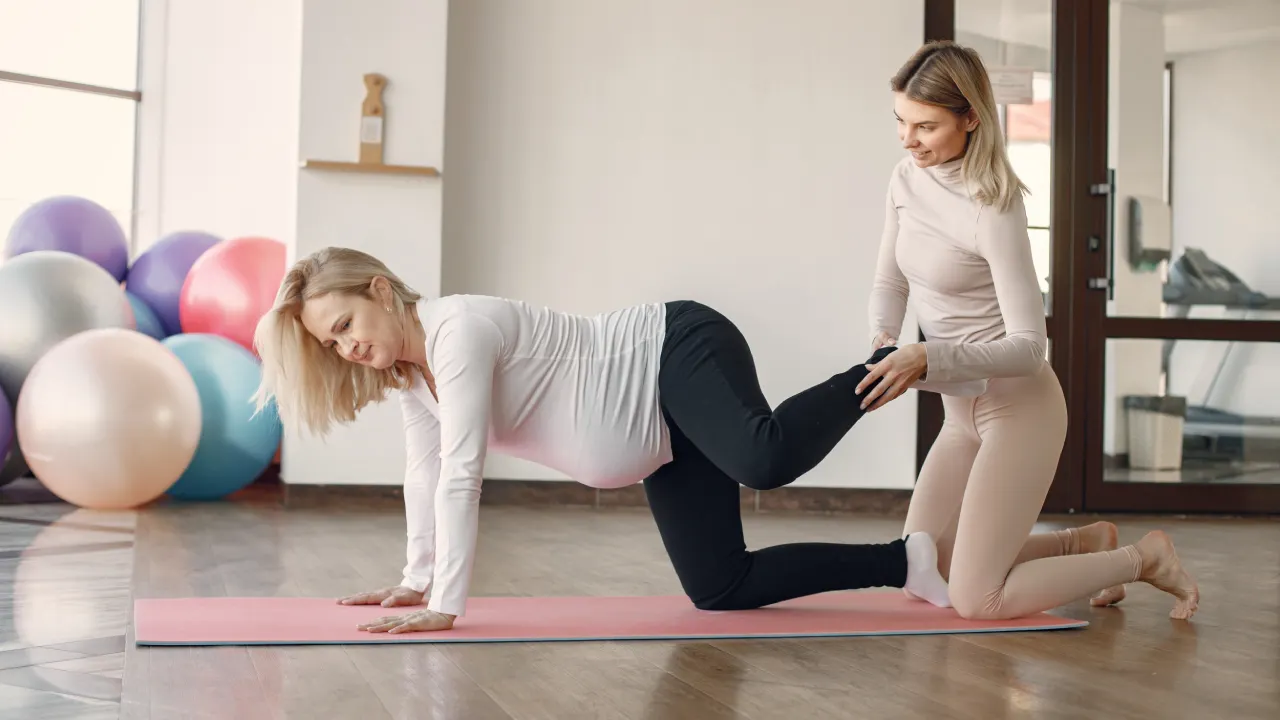
Pregnancy brings physical changes that can affect posture, balance, muscle strength, pelvic floor function, and everyday movement. As the body adapts to a growing baby, some people experience lower back discomfort, pelvic girdle pain, hip tension, difficulty changing positions, or challenges with daily activities. Prenatal Physiotherapy provides pregnancy-appropriate care to address these physical changes and help expectant parents prepare for the demands of childbirth and postpartum recovery.
At The Bright Physio & Mindfulness Massage in Edmonton, Prenatal Physiotherapy focuses on assessing movement, identifying areas of physical strain, and supporting comfortable movement throughout pregnancy. Care may include therapeutic exercises, posture education, breathing practice, pelvic floor assessment when appropriate, and movement strategies based on the individual’s stage of pregnancy, symptoms, and medical history.
What Is Prenatal Physiotherapy?
Prenatal Physiotherapy is a form of physiotherapy that addresses physical changes and movement-related concerns during pregnancy. It focuses on the muscles, joints, ligaments, pelvic floor, and movement patterns that may be affected as the body adapts to pregnancy.
Hormonal changes, changes in body weight, an expanding abdomen, and shifts in posture can influence how the spine, hips, pelvis, and surrounding muscles function. These changes may contribute to discomfort or make activities such as walking, sitting, sleeping, climbing stairs, and standing for extended periods more challenging.
Prenatal Physiotherapy uses pregnancy-appropriate assessment methods and care strategies to address these concerns. Depending on individual needs, sessions may include:
- Movement and posture assessment: Reviewing posture, balance, mobility, and common daily movements.
- Therapeutic exercises: Practicing suitable movements to support strength, flexibility, coordination, and physical function.
- Pelvic floor physiotherapy: Assessing and addressing pelvic floor muscle function when indicated and appropriate.
- Breathing and relaxation practice: Learning breathing patterns that may support muscle coordination and physical comfort.
- Manual therapy: Applying appropriate hands-on methods when clinically indicated and suitable during pregnancy.
- Activity modification: Learning ways to adjust work, household tasks, exercise, and resting positions.
The purpose of Prenatal Physiotherapy is to help pregnant individuals manage physical demands, maintain suitable activity levels, and prepare for the physical requirements of labour and life after delivery.
Who Can Benefit from Prenatal Physiotherapy?
Prenatal Physiotherapy may be suitable for pregnant individuals at different stages of pregnancy who want support with movement, physical function, or pregnancy-related discomfort. The appropriate approach depends on symptoms, health history, pregnancy stage, and any advice from the maternity care provider.
Pregnant Individuals with Lower Back Discomfort
As the abdomen grows, the body’s centre of gravity changes, which can affect posture and the way weight is distributed through the spine and pelvis. Some pregnant individuals notice discomfort while sitting, standing, walking, or getting out of bed.
Prenatal Physiotherapy may include movement assessment, suitable exercises, and practical advice for managing daily activities.
Individuals With Pelvic Girdle or Hip Discomfort
Pregnancy can place additional demands on the joints and muscles around the pelvis and hips. Discomfort may occur while walking, climbing stairs, standing on one leg, getting dressed, or turning over in bed.
A physiotherapist can assess movement patterns and recommend appropriate activity modifications and exercises.
Individuals Experiencing Pelvic Floor Changes
Pregnancy can affect pelvic floor muscle coordination and function. Some individuals notice urinary leakage, pelvic pressure, or difficulty coordinating these muscles.
When appropriate, Prenatal Physiotherapy may include pelvic floor assessment, muscle coordination exercises, relaxation practice, and education about managing pressure during everyday activities. Pelvic floor exercises are not the same for everyone; some people may need to learn how to relax these muscles rather than strengthen them.
Individuals Who Want to Remain Active During Pregnancy
People who exercised before pregnancy may have questions about continuing their usual routines. Others may want to begin suitable physical activity after discussing it with their healthcare provider.
Prenatal Physiotherapy can help identify appropriate movement options, modify exercises when necessary, and address physical limitations that affect participation.
Individuals Preparing for Childbirth
Some expectant parents want to learn about breathing, pelvic floor coordination, comfortable movement, and positions that may be useful during labour.
A physiotherapist may provide education and practice related to these topics, depending on clinical needs and the individual’s pregnancy circumstances.
Individuals With Physically Demanding Jobs
Jobs that involve prolonged standing, sitting, lifting, walking, or repetitive movement may become more challenging during pregnancy.
Prenatal Physiotherapy can address body mechanics, work-position adjustments, movement breaks, and suitable activity modifications to help manage the physical demands of work.
Problems Prenatal Physiotherapy May Address
Pregnancy affects each person differently. Prenatal Physiotherapy may help address several movement-related concerns, although the cause and severity of symptoms should be assessed individually.
Common concerns include:
- Lower back discomfort during standing, sitting, or walking.
- Pelvic girdle pain affecting mobility or position changes.
- Hip discomfort and reduced movement tolerance.
- Muscle tension associated with postural changes.
- Difficulty getting in and out of bed or changing positions.
- Discomfort when climbing stairs or walking longer distances.
- Pelvic floor muscle coordination concerns.
- Urinary leakage during coughing, sneezing, or activity.
- Reduced tolerance for exercise or everyday physical tasks.
- Questions about safe movement and activity during pregnancy.
- Difficulty maintaining comfortable working positions.
- Concerns about preparing the body for labour and postpartum activity.
Symptoms such as vaginal bleeding, fluid leakage, severe or persistent abdominal pain, chest pain, fainting, or significant shortness of breath require prompt medical assessment rather than routine physiotherapy. Pregnant individuals should contact their maternity care provider when they have concerns about symptoms or exercise safety.
What Does Prenatal Physiotherapy Include?
At The Bright Physio & Mindfulness Massage, the content of Prenatal Physiotherapy sessions can depend on the individual’s concerns, assessment findings, pregnancy stage, and clinical suitability. The following components may form part of care when appropriate.
Pregnancy-Appropriate Physical Assessment
The physiotherapist may ask about symptoms, medical history, pregnancy stage, daily activities, exercise habits, and any relevant advice from the maternity care provider.
The assessment may examine posture, walking, spinal and hip movement, balance, muscle function, and the movements that trigger discomfort. Pelvic floor assessment is considered when relevant, with informed consent and appropriate clinical precautions.
Therapeutic Exercise
Exercise selection depends on individual ability, symptoms, pregnancy considerations, and medical recommendations. Exercises may focus on movement control, strength, mobility, coordination, and functional activities.
Examples may include gentle mobility exercises, supported strengthening, modified squats, or movement practice for daily tasks when suitable.
Posture and Body Mechanics Education
Changes in body shape can affect how people sit, stand, lift, and move. Physiotherapy may include advice on comfortable working positions, changing positions regularly, getting in and out of bed, and modifying household tasks.
The aim is to help individuals identify practical ways to manage physical demands without placing unnecessary strain on the body.
Pelvic Floor Assessment and Exercise
The pelvic floor supports the pelvic organs and contributes to bladder and bowel control. During pregnancy, these muscles may need attention to strength, endurance, coordination, or relaxation.
When indicated, a physiotherapist may explain pelvic floor function and teach appropriate exercises. Any internal assessment requires informed consent and must be clinically appropriate. External assessment and education may also be considered.
Breathing and Relaxation Practice
Breathing strategies can help individuals coordinate movement with breathing and practice relaxing muscles that remain unnecessarily tense. These skills may also form part of preparation for labour.
Exercises are selected according to comfort, symptoms, and clinical needs.
Daily Activity and Exercise Modifications
Prenatal Physiotherapy may include advice about walking, household tasks, workplace activities, sleep positions, and exercise routines. Recommendations can change as pregnancy progresses and physical demands shift.
How the Prenatal Physiotherapy Process Works
Initial Consultation
The first appointment begins with a discussion about pregnancy stage, current concerns, medical history, daily routines, and personal goals. The physiotherapist may also ask about previous injuries, current activity levels, and any restrictions advised by the maternity care provider.
Physical Assessment
The physiotherapist assesses relevant movement patterns and physical function. Depending on the presenting concern, this may include posture, mobility, balance, strength, coordination, and functional movements.
The assessment helps identify which areas may benefit from physiotherapy and whether further medical review is necessary.
Care Planning
Based on the assessment, the physiotherapist discusses suitable options for Prenatal Physiotherapy. These may include exercises, movement education, pelvic floor care, manual therapy when appropriate, and modifications to everyday activities.
The plan takes account of pregnancy stage, symptom response, clinical findings, and any relevant medical restrictions.
Physiotherapy Sessions
Sessions may include guided exercise, movement practice, breathing strategies, posture education, and other appropriate interventions. The physiotherapist monitors comfort and adjusts activities when needed.
The individual should communicate any new symptoms or changes in comfort during a session.
Progress Review
The physiotherapist reviews changes in symptoms, movement tolerance, and daily function. Exercises or activity recommendations may be adjusted as pregnancy progresses or individual needs change.
Preparation for Postpartum Activity
When appropriate, sessions may include education about gradual activity progression after delivery, pelvic floor function, movement during infant care, and returning to exercise. Postpartum care should account for delivery type, recovery status, symptoms, and advice from the maternity care provider.
Benefits of Prenatal Physiotherapy
Prenatal Physiotherapy may support physical function and help expectant parents prepare for changing movement demands during pregnancy. Outcomes vary according to individual circumstances, symptoms, and the care provided.
Potential benefits include:
- Managing pregnancy-related discomfort: Appropriate exercises and activity modifications may help address certain muscle and joint concerns.
- Maintaining movement: Physiotherapy may help individuals continue suitable daily activities and movement routines.
- Improving movement awareness: Learning how posture, balance, and movement patterns change during pregnancy can support practical activity choices.
- Supporting pelvic floor function: Appropriate assessment and exercises may address pelvic floor coordination, weakness, or difficulty relaxing the muscles.
- Adapting exercise routines: Guidance on suitable movement can help individuals make informed changes to physical activity.
- Learning breathing strategies: Breathing and relaxation practice may support coordination and preparation for labour.
- Managing everyday tasks: Advice on lifting, sitting, standing, and changing positions may make routine activities easier to manage.
- Preparing for postpartum activity: Education can help individuals plan a gradual return to daily movement and exercise after delivery.
Prenatal Physiotherapy does not guarantee a particular birth outcome or prevent every pregnancy-related concern. Its role is to assess physical function, provide appropriate care, and help individuals make informed decisions about movement during pregnancy.
Who May Need Prenatal Physiotherapy in Edmonton?
Prenatal Physiotherapy in Edmonton may be relevant to people with different lifestyles and physical demands.
Working Professionals
People who spend long periods at a desk, stand throughout the workday, or perform repetitive tasks may need help adjusting their work positions and movement routines.
Active Individuals
People who walk regularly, attend fitness classes, participate in recreational sports, or follow strength-training routines may want help modifying activities during pregnancy.
Individuals With Previous Musculoskeletal Concerns
People with a history of back, hip, pelvic, or other movement-related concerns may need an assessment when pregnancy changes their symptoms or activity tolerance.
Expectant Parents Preparing for Delivery
Individuals who want to learn about pelvic floor coordination, breathing, movement options, and postpartum activity may benefit from pregnancy-appropriate physiotherapy education.
Individuals Managing Everyday Mobility Challenges
People who find walking, climbing stairs, turning in bed, or completing household activities increasingly difficult may seek an assessment to identify appropriate movement strategies.
Suitability should be assessed individually, particularly when pregnancy complications, activity restrictions, or other medical concerns are present.
Frequently Asked Questions
What Is Prenatal Physiotherapy Used For?
Prenatal Physiotherapy addresses movement-related concerns during pregnancy. It may include care for back discomfort, pelvic girdle pain, hip tension, pelvic floor concerns, movement limitations, and questions about suitable exercise.
When Should I Start Prenatal Physiotherapy?
There is no single starting week that applies to everyone. Some people seek physiotherapy during the first trimester, while others attend during the second or third trimester when movement demands change. The appropriate timing depends on symptoms, pregnancy circumstances, and advice from the maternity care provider.
Is Prenatal Physiotherapy Safe During Pregnancy?
Physiotherapy can be appropriate during pregnancy when assessment and treatment account for the individual’s health, pregnancy stage, symptoms, and medical restrictions. Some conditions require medical clearance or changes to treatment. A physiotherapist should screen for relevant concerns before recommending activities.
Can Prenatal Physiotherapy Help with Lower Back Pain?
Prenatal Physiotherapy may help address pregnancy-related lower back discomfort through suitable exercise, movement education, posture adjustments, and other appropriate interventions. Persistent, severe, or unusual pain should be discussed with a healthcare provider to determine its cause.
Does Prenatal Physiotherapy Include Pelvic Floor Exercises?
It may include pelvic floor assessment and exercises when clinically indicated. Some individuals need strengthening and coordination work, while others may need to practice relaxation. The appropriate approach depends on the assessment rather than assuming that everyone needs the same exercises.
How Many Prenatal Physiotherapy Sessions Will I Need?
The number of sessions varies according to symptoms, assessment findings, pregnancy stage, goals, and response to care. The physiotherapist can discuss a suitable schedule after the initial assessment and review it as needs change.
What Should I Wear to a Prenatal Physiotherapy Appointment?
Comfortable clothing that allows easy movement is generally suitable. You may wish to bring details of any activity restrictions, relevant medical recommendations, and questions about symptoms or daily activities.
Can I Continue Exercising After Starting Prenatal Physiotherapy?
Many pregnant individuals can continue suitable physical activity, but exercise choices should reflect their health, pregnancy circumstances, symptoms, and medical advice. A physiotherapist can help assess movement and discuss appropriate modifications when clinically suitable.
Prenatal Physiotherapy in Edmonton: Service Area
The Bright Physio & Mindfulness Massage serves clients seeking physiotherapy and wellness care in Edmonton. Individuals interested in Prenatal Physiotherapy can contact the clinic to ask about appointment availability, the services provided, and whether an assessment is suitable for their needs.
People travelling from surrounding communities can confirm the clinic’s location and appointment arrangements directly before visiting.
Why Choose The Bright Physio & Mindfulness Massage for Prenatal Physiotherapy?
Choosing a physiotherapy clinic during pregnancy involves finding a provider who can assess physical concerns, explain available care options, and account for pregnancy-related considerations.
When contacting The Bright Physio & Mindfulness Massage in Edmonton, prospective clients can ask about:
- Assessment and care options for pregnancy-related movement concerns.
- Physiotherapy approaches suitable for their stage of pregnancy.
- Availability of pelvic floor assessment, when indicated.
- Exercise modifications and daily movement education.
- Appointment scheduling and preparation.
- Communication with the individual’s maternity care provider when appropriate and authorized.
The clinic can discuss its available services and explain which options may be suitable following an assessment. Individuals should share relevant medical advice and any pregnancy-related activity restrictions before beginning care.
Related Services
Depending on the clinic’s current service list, individuals seeking Prenatal Physiotherapy may also wish to ask about related services such as
- Pelvic Floor Physiotherapy: Assessment and care for pelvic floor muscle function, coordination, and related concerns.
- Postpartum Physiotherapy: Assessment of movement, strength, pelvic floor function, and activity progression after childbirth.
- Back Pain Physiotherapy: Care for selected spinal and movement-related concerns.
- Hip and Pelvic Physiotherapy: Assessment of movement limitations and discomfort involving the hips and pelvic region.
- Therapeutic Exercise: Guided exercise to address suitable strength, mobility, coordination, and functional goals.
Contact the clinic to confirm which of these services are available and whether they are appropriate for your circumstances.
Take the Next Step
Pregnancy can change how the body moves, responds to activity, and manages everyday physical demands. Prenatal Physiotherapy can help assess these changes and identify appropriate options for managing movement-related concerns throughout pregnancy.
The Bright Physio & Mindfulness Massage in Edmonton welcomes enquiries from expectant parents who want to learn more about pregnancy-appropriate physiotherapy care. Contact the clinic to discuss your symptoms, ask about available appointments, and determine whether an initial assessment may suit your needs.
Contact The Bright Physio & Mindfulness Massage in Edmonton to enquire about Prenatal Physiotherapy and take the next step towards informed, pregnancy-appropriate movement care.
Phone: +1 780-737-1019
Address: 4904 30 Ave #105, Beaumont, Edmonton, AB T4X 3G3, Canada

 +1 (780) 737-1019