Pregnancy-Related Musculoskeletal Pain

Pregnancy brings physical changes that can affect posture, balance, joint movement, and the way muscles support the body. As the baby grows, changes in body weight, hormone levels, and the distribution of pressure may contribute to discomfort in the lower back, pelvis, hips, neck, shoulders, and other areas. Pregnancy-Related Musculoskeletal Pain refers to discomfort involving muscles, joints, ligaments, and other supporting tissues during pregnancy.
At The Bright Physio & Mindfulness Massage in Edmonton, physiotherapy and appropriate hands-on care may help pregnant individuals manage musculoskeletal discomfort, maintain comfortable movement, and carry out daily activities. Care is based on the individual’s symptoms, stage of pregnancy, physical needs, and advice from their healthcare provider when appropriate.
What Is Pregnancy-Related Musculoskeletal Pain?
Pregnancy-Related Musculoskeletal Pain describes discomfort affecting the muscles, joints, ligaments, tendons, and supporting tissues during pregnancy. These symptoms can develop as the body adapts to a growing abdomen, changes in posture, increased physical demands, and changes in joint mobility.
During pregnancy, the centre of gravity gradually shifts as the abdomen grows. This may influence the position of the pelvis and spine, placing additional demands on the muscles that support the back and hips. Some individuals also experience pelvic girdle discomfort, hip tension, upper back stiffness, or difficulty changing positions.
Pregnancy-Related Musculoskeletal Pain can vary from mild, occasional discomfort to symptoms that interfere with walking, sleeping, sitting, standing, or completing household tasks. Although some discomfort is common during pregnancy, persistent, severe, or unusual symptoms should be assessed by an appropriate healthcare professional.
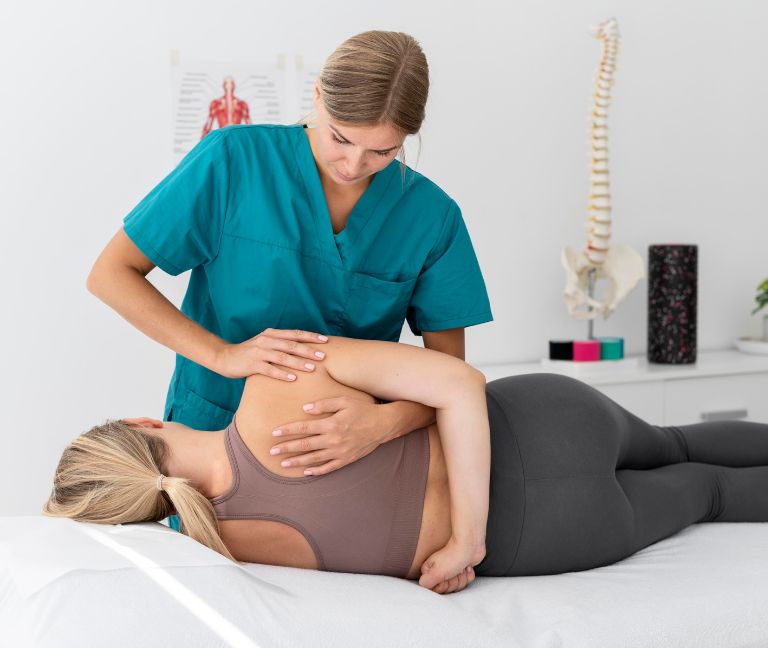
Physiotherapy may include movement assessment, gentle exercises, posture education, activity modification, and pregnancy-appropriate manual techniques when indicated. The aim is to support comfortable movement while taking account of the individual’s health, pregnancy stage, and clinical needs.
Who Can Benefit from Care for Pregnancy-Related Musculoskeletal Pain?
Care may be suitable for pregnant individuals experiencing movement-related discomfort or difficulty managing everyday activities. An assessment can help identify the areas affected and determine which approaches may be appropriate.
Pregnant Individuals with Lower Back Discomfort
Changes in posture and increased physical demands may contribute to lower back tension. People who find prolonged sitting, standing, bending, or walking uncomfortable may benefit from an assessment and advice on movement and activity adjustments.
Individuals With Pelvic Girdle Discomfort
Pelvic girdle pain may occur around the pubic bone, hips, groin, or the back of the pelvis. Symptoms can become noticeable when walking, climbing stairs, standing on one leg, or getting in and out of a vehicle.
Individuals With Hip and Leg Discomfort
Changes in movement patterns and muscle demands may contribute to hip tension or discomfort around the thighs and buttocks. Assessment can help determine whether the symptoms are musculoskeletal or require further medical investigation.
People Experiencing Neck and Shoulder Tension
Changes in sleeping positions, daily routines, and posture may contribute to upper back, neck, and shoulder discomfort. Appropriate movement advice and gentle physical care may help manage these symptoms.
Pregnant Individuals with Reduced Mobility
Some people find it increasingly difficult to turn in bed, rise from a chair, walk for extended periods, or complete routine tasks. Physiotherapy can help identify movement limitations and suggest practical ways to perform daily activities more comfortably.
Problems Associated with Pregnancy-Related Musculoskeletal Pain
Pregnancy-related discomfort can affect several parts of the body and may change as pregnancy progresses.
Common concerns include:
- Lower back discomfort: Increased demands on the muscles and joints supporting the spine.
- Pelvic girdle pain: Discomfort around the hips, pubic region, or back of the pelvis.
- Hip tension: Discomfort during walking, standing, or changing positions.
- Neck and shoulder stiffness: Tension associated with posture and daily activities.
- Upper back discomfort: Increased muscular demands as posture changes.
- Difficulty walking: Symptoms that make longer walks or stair climbing challenging.
- Sleep-related discomfort: Difficulty finding a comfortable sleeping position or turning in bed.
- Reduced tolerance for daily tasks: Discomfort during cooking, household activities, desk work, or childcare.
- Movement-related stiffness: Difficulty bending, rising from a chair, or moving between sitting and standing.
The cause of these symptoms varies. A physiotherapy assessment can help identify movement-related factors, while medical assessment may be necessary when symptoms suggest another condition.
Physiotherapy Services for Pregnancy-Related Musculoskeletal Pain
At The Bright Physio & Mindfulness Massage in Edmonton, care for Pregnancy-Related Musculoskeletal Pain may involve several approaches, depending on the individual’s symptoms and clinical assessment.
Movement and Posture Assessment
An assessment may examine posture, walking patterns, spinal movement, hip mobility, and the activities that aggravate symptoms. The physiotherapist may also ask about the stage of pregnancy, daily routines, previous injuries, and relevant health concerns.
This information helps establish which movements may need adjustment and whether additional medical assessment is appropriate.
Pregnancy-Appropriate Therapeutic Exercises
Gentle exercises may be recommended to support mobility, muscular function, and movement control. Depending on the individual’s needs, these may include suitable mobility activities, breathing exercises, or exercises for the muscles supporting the pelvis and spine.
Exercises should account for pregnancy stage, current fitness, symptoms, and any restrictions advised by a healthcare provider.
Manual Therapy When Appropriate
Some individuals may benefit from gentle, pregnancy-appropriate manual techniques to address muscular tension and movement restrictions. The techniques used should be selected following an assessment and modified to account for pregnancy-related considerations.
Forceful techniques and approaches that are unsuitable during pregnancy should be avoided.
Posture and Activity Modification
Small changes to daily routines may reduce unnecessary strain. Suggestions may include changing sitting positions, adjusting workstations, distributing household tasks, using suitable pillows for support, and taking movement breaks when appropriate.
Education for Everyday Movement
Practical advice may cover getting in and out of bed, standing for household tasks, lifting light objects safely, and modifying activities that aggravate symptoms. These suggestions can help pregnant individuals make informed decisions about their daily movement.
How the Physiotherapy Process Works
Care for Pregnancy-Related Musculoskeletal Pain generally begins with an assessment and proceeds according to the individual’s needs.
Initial Consultation
The physiotherapist discusses symptoms, when they began, activities that trigger discomfort, and how the symptoms affect daily life. Relevant pregnancy information and existing medical advice are also considered.
Physical Assessment
The assessment may examine movement, posture, mobility, and muscular function. The physiotherapist also considers whether symptoms require referral to a physician, midwife, or another healthcare professional.
Care Planning
Based on the findings, the physiotherapist explains suitable care options, activity modifications, and any recommended exercises. The plan takes account of the individual’s pregnancy stage, comfort, and health considerations.
Physiotherapy Sessions
Sessions may include movement exercises, education, posture advice, and appropriate hands-on techniques. Activities are adjusted according to symptoms and tolerance.
Progress Review
The physiotherapist reviews changes in mobility, daily activity tolerance, and symptom patterns. If symptoms persist or change unexpectedly, the approach may be revised or further assessment recommended.
Ongoing Activity Advice
As pregnancy progresses, physical demands can change. Advice may be updated to reflect new symptoms, changes in mobility, and recommendations from the individual’s maternity care team.
Benefits of Physiotherapy for Pregnancy-Related Musculoskeletal Pain
Physiotherapy may help pregnant individuals manage movement-related symptoms and adapt to physical changes during pregnancy. Outcomes vary according to the cause of discomfort, overall health, and individual circumstances.
Potential benefits include:
- Improved movement awareness: Learning how posture and daily activities affect the body.
- Support for mobility: Practising appropriate movements for walking, sitting, standing, and changing positions.
- Muscular function: Performing suitable exercises that support the muscles involved in posture and movement.
- Activity modification: Identifying ways to adjust tasks that aggravate symptoms.
- Sleep-position advice: Exploring comfortable and appropriate positioning strategies.
- Daily task management: Learning practical ways to approach household, work, and personal activities.
- Pregnancy-specific care: Receiving recommendations that take pregnancy stage and individual health needs into account.
Physiotherapy cannot guarantee that all pregnancy-related discomfort will disappear. Its role is to assess musculoskeletal concerns, provide appropriate care, and support safe movement within the individual’s clinical circumstances.
Who May Seek This Service?
Care for Pregnancy-Related Musculoskeletal Pain in Edmonton may be relevant to people at different stages of pregnancy who experience movement-related discomfort.
Common situations include:
- Individuals experiencing lower back discomfort as their abdomen grows.
- Pregnant people who find walking or stair climbing uncomfortable.
- Individuals experiencing pelvic discomfort during changes in position.
- People whose neck or shoulders become tense during everyday activities.
- Pregnant individuals who need advice on maintaining suitable physical activity.
- People seeking physiotherapy advice after discussing symptoms with their maternity care provider.
The appropriate approach depends on the cause and severity of symptoms. A physiotherapist may recommend medical assessment before proceeding if the presentation raises concerns.
Frequently Asked Questions
What causes Pregnancy-Related Musculoskeletal Pain?
Possible contributing factors include changes in posture, increased demands on the back and pelvic muscles, changes in joint mobility, and increased pressure on supporting tissues. The cause differs between individuals, so persistent or unusual symptoms should be assessed.
Can physiotherapy help with Pregnancy-Related Musculoskeletal Pain?
Physiotherapy may help manage musculoskeletal discomfort through assessment, appropriate exercises, movement education, activity modification, and suitable manual techniques. The approach should be adjusted to the individual’s pregnancy stage and health needs.
Is physiotherapy safe during pregnancy?
Physiotherapy can be appropriate during pregnancy when care is selected according to the individual’s health, symptoms, and pregnancy stage. The physiotherapist should know about relevant medical conditions and pregnancy-related restrictions. Consultation with a physician or midwife may be necessary before starting care.
When should I seek care for Pregnancy-Related Musculoskeletal Pain?
Consider an assessment when discomfort persists, limits daily activities, affects mobility, or makes routine movements difficult. Sudden or severe pain, vaginal bleeding, fluid leakage, fever, fainting, chest pain, shortness of breath, or other concerning symptoms require prompt medical attention rather than routine physiotherapy.
Can massage help with pregnancy-related muscle tension?
Pregnancy-appropriate massage may help some individuals manage muscular tension. It should be provided by a practitioner trained in pregnancy-related precautions, with positioning and techniques selected according to the individual’s circumstances. Certain symptoms and pregnancy complications may require medical clearance or make massage unsuitable.
How many physiotherapy sessions may be needed?
The number of sessions depends on symptom severity, the cause of discomfort, daily activity demands, and the individual’s response to care. The physiotherapist can discuss the likely frequency of appointments after an initial assessment.
Can I continue exercising if I have musculoskeletal discomfort during pregnancy?
The appropriate level of activity depends on the symptoms and overall pregnancy health. Gentle movement may be suitable for many pregnant individuals, but activities that aggravate symptoms should be modified. Seek advice from your maternity care provider or physiotherapist, particularly if you have been advised to restrict activity.
Service Areas in Edmonton
The Bright Physio & Mindfulness Massage serves people seeking physiotherapy and massage-related care in Edmonton. Individuals looking for support with Pregnancy-Related Musculoskeletal Pain can contact the clinic to ask about service availability and appointment arrangements.
People travelling from surrounding communities can confirm clinic location, appointment options, and any relevant access details directly with the business.
Why Choose The Bright Physio & Mindfulness Massage?
When seeking care for Pregnancy-Related Musculoskeletal Pain in Edmonton, it is important to find a clinic that considers pregnancy-related changes, individual symptoms, and appropriate clinical precautions.
At The Bright Physio & Mindfulness Massage, prospective patients can enquire about physiotherapy assessment, movement-related concerns, and pregnancy-appropriate care options. Before beginning treatment, ask the clinic about the physiotherapist’s experience with prenatal care, available assessment methods, and how treatment approaches are adjusted during pregnancy.
The clinic can also clarify appointment availability and whether a referral or consultation with a maternity care provider is advisable for your circumstances.
Related Services
Depending on the clinic’s current service list, related services may include:
- Prenatal Physiotherapy
- Pregnancy Massage
- Lower Back Pain Physiotherapy
- Pelvic Girdle Pain Assessment
- Hip Pain Physiotherapy
- Neck and Shoulder Physiotherapy
- Postpartum Physiotherapy
- Therapeutic Exercise and Movement Assessment
Contact The Bright Physio & Mindfulness Massage to confirm which services are available and appropriate for your needs.
Take the Next Step
If pregnancy-related discomfort is affecting your movement, sleep, or everyday activities, consider discussing your symptoms with a qualified healthcare professional. Physiotherapy may be an appropriate option when the symptoms involve muscles, joints, posture, or movement.
Contact The Bright Physio & Mindfulness Massage in Edmonton to enquire about an assessment for Pregnancy-Related Musculoskeletal Pain. Be prepared to describe your symptoms, when they started, which activities aggravate them, and your stage of pregnancy. This information can help the clinic determine the appropriate next step and whether medical clearance is needed before an appointment.
Phone: +1 780-737-1019
Address: 4904 30 Ave #105, Beaumont, Edmonton, AB T4X 3G3, Canada

 +1 (780) 737-1019