Concussion-Related Symptoms
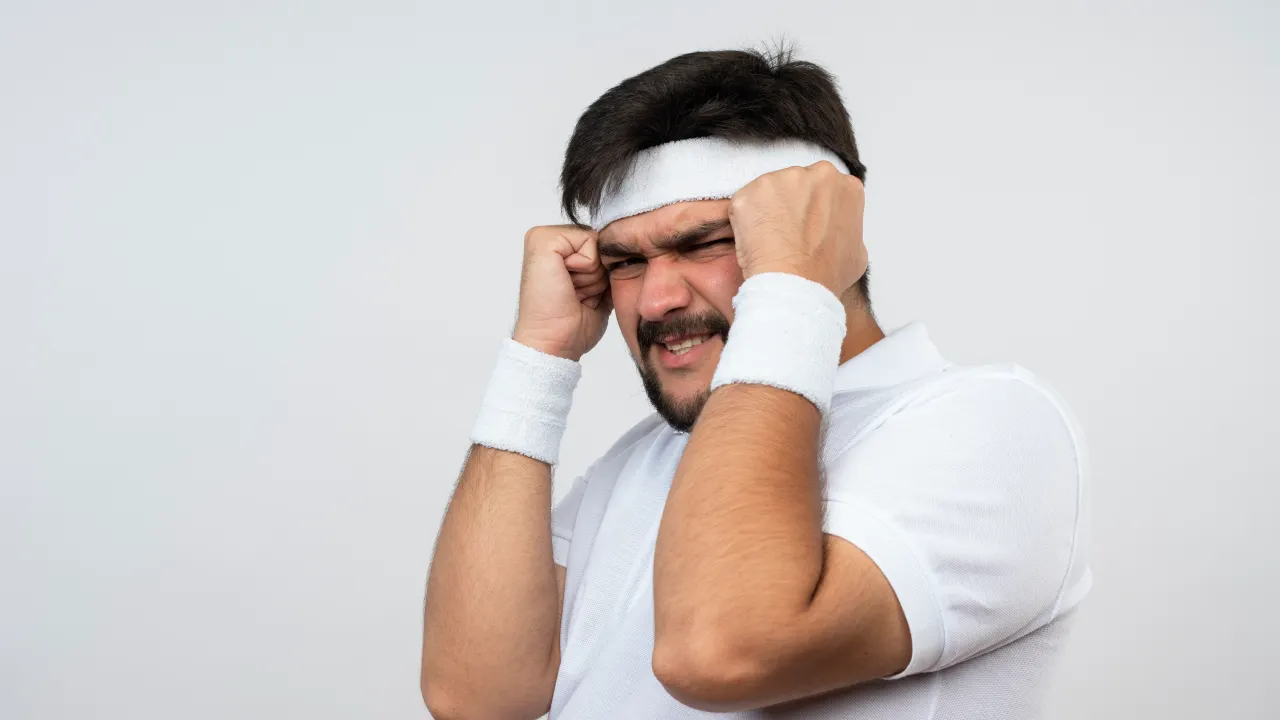
Concussion-related symptoms can affect memory, concentration, balance, sleep, mood, and everyday activities after a blow to the head or a sudden movement that causes the brain to move inside the skull. These symptoms may appear immediately or develop over the hours and days following an injury. At The Bright Physio & Mindfulness Massage, individuals in Edmonton seeking support for concussion-related symptoms can explore physiotherapy and appropriate movement-based care based on their symptoms, activity levels, and recovery needs. Recognizing these changes and seeking timely medical assessment can help individuals make informed decisions about their care and return to daily routines safely.
What are Concussion-Related Symptoms?
Concussion-related symptoms are physical, cognitive, emotional, and sleep-related changes that may occur after a mild traumatic brain injury (mTBI). A concussion can result from a direct impact to the head or a forceful jolt to the body that causes rapid movement of the head and brain.
Although some people lose consciousness during a concussion, many do not. Symptoms can vary from person to person, and their severity does not always reflect how significant the injury is. Some individuals notice changes immediately, while others develop symptoms later.
Concussion-related symptoms may affect several areas of daily functioning, including:
- Physical functioning: Headaches, dizziness, balance difficulties, nausea, neck discomfort, and sensitivity to light or sound.
- Cognitive functioning: Difficulty concentrating, memory problems, slowed thinking, and trouble following conversations.
- Emotional functioning: Irritability, anxiety, sadness, and changes in emotional responses.
- Sleep patterns: Difficulty falling asleep, sleeping more or less than usual, and feeling tired during the day.
A healthcare professional can assess these symptoms, consider other possible causes, and determine whether further medical investigation or rehabilitation is appropriate.
Who Can Benefit from Care for Concussion-Related Symptoms?
People with concussion-related symptoms may need different forms of assessment and rehabilitation depending on the cause of the injury, the symptoms present, and their stage of recovery. Physiotherapy may form part of a coordinated care plan when clinically appropriate.
Students and Children
Children and students may experience difficulty concentrating in class, reading for extended periods, participating in sports, or completing homework after a concussion. Parents and caregivers should seek medical assessment when a concussion is suspected and follow appropriate return-to-school and activity recommendations.
Working Professionals
Adults returning to work may notice headaches, mental fatigue, dizziness, or difficulty managing busy environments. These symptoms can affect computer use, meetings, commuting, and tasks that require sustained attention.
Athletes and Active Individuals
People who participate in contact sports, recreational athletics, cycling, or other physical activities may develop symptoms following a collision, fall, or impact. A medically supervised return-to-sport process is important because returning to activities with a risk of another head injury too soon can be dangerous.
Individuals Involved in Motor Vehicle Accidents
A sudden impact during a motor vehicle accident can cause a concussion, even when the head does not strike a visible object. Individuals may also experience neck pain, stiffness, dizziness, or headaches that require assessment to determine the appropriate course of care.
Older Adults After a Fall
Older adults may experience concussion-related symptoms following a fall or head impact. Medical assessment is particularly important because symptoms can overlap with other conditions, and some injuries may require urgent investigation.
Common Problems Associated with Concussion-Related Symptoms
Concussion-related symptoms can interfere with daily routines, physical activity, work, school, and social interactions. Recognizing these problems can help individuals know when to seek assessment.
Persistent or Recurrent Headaches
Headaches may develop after a concussion and can vary in intensity and frequency. Neck discomfort, sleep disruption, visual demands, and sensitivity to light may contribute to symptom patterns. A clinician can assess the presentation and determine whether further medical evaluation or rehabilitation is indicated.
Dizziness and Balance Difficulties
Some people experience dizziness, unsteadiness, or a sensation of movement after a head injury. These symptoms may be associated with vestibular dysfunction, visual disturbances, neck problems, or other causes. Assessment helps determine whether vestibular or balance rehabilitation is appropriate.
Neck Pain and Stiffness
The force involved in a fall, collision, or sports injury may affect the neck as well as the head. Neck stiffness and reduced movement can occur alongside concussion-related symptoms, although neck symptoms can also indicate a separate injury that needs assessment.
Difficulty Concentrating or Remembering Information
A concussion may affect attention, short-term memory, processing speed, and the ability to manage multiple tasks. Reading, working on a computer, or following lengthy conversations may become difficult during the initial recovery period.
Sensitivity to Light and Sound
Bright lights, loud environments, screens, and busy public spaces may trigger or increase symptoms for some individuals. A gradual return to these activities, based on clinical advice and symptom response, may form part of recovery planning.
Fatigue and Sleep Changes
People may feel unusually tired, have difficulty sleeping, or notice changes in their normal sleep schedule. Fatigue can also make concentration and emotional regulation more difficult throughout the day.
Changes in Mood
Irritability, anxiety, low mood, and frustration may occur after a concussion. These changes can arise from the injury itself, disrupted sleep, reduced participation in usual activities, or the stress of recovery. Persistent or significant mood changes should be discussed with a healthcare professional.
What Does Care for Concussion-Related Symptoms Include?
Care for concussion-related symptoms depends on the individual’s medical assessment, symptoms, and functional limitations. The Bright Physio & Mindfulness Massage in Edmonton can be contacted to ask about available physiotherapy services for people experiencing movement-related difficulties following a concussion.
Depending on the clinical findings and the services available, rehabilitation may involve the following components.
Symptom and Movement Assessment
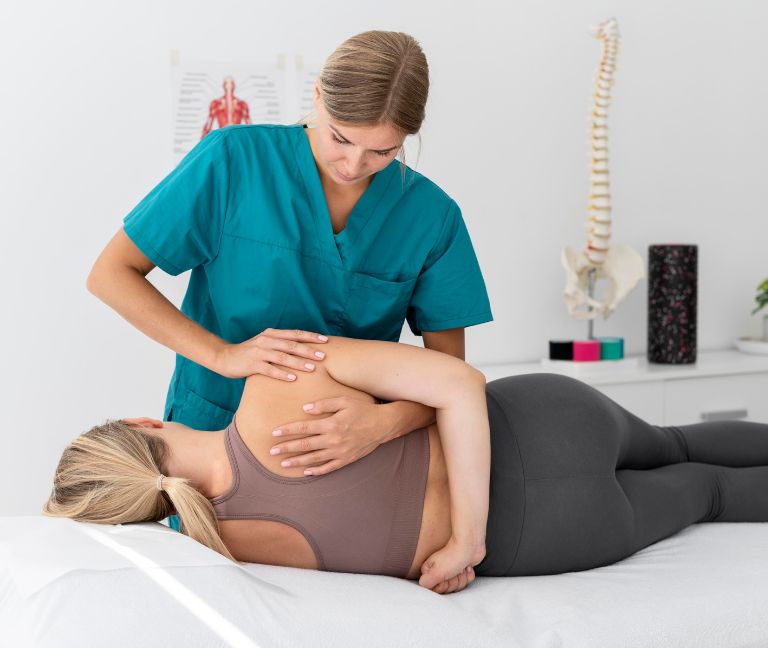
A physiotherapist may review the individual’s reported symptoms, movement tolerance, balance, neck mobility, and relevant activity limitations. This assessment helps identify areas that may require further evaluation or rehabilitation.
Physiotherapy does not replace medical assessment for a suspected concussion. A healthcare professional should first evaluate the injury, particularly when symptoms are new, worsening, or unexplained.
Vestibular and Balance Rehabilitation
When assessment indicates vestibular or balance dysfunction, a clinician may recommend specific exercises to address dizziness, gaze stability, balance, or movement tolerance. The exercises should match the individual’s findings and be progressed according to their response.
Neck Mobility and Musculoskeletal Care
When neck pain or stiffness is present, a physiotherapist may assess cervical movement and related muscle function. Appropriate mobility exercises and other conservative approaches may be considered after serious injury has been ruled out.
Gradual Return to Physical Activity
Prolonged complete rest is generally not recommended for every person following a concussion. After an initial period of relative rest, a gradual return to everyday activities and light physical activity may be appropriate under current clinical recommendations.
Activity progression should account for symptoms, the person’s medical status, and the risk associated with the activity. Contact sports and other activities that could cause another head injury require particular caution.
Functional Activity Planning
Some people need to adjust screen time, study periods, work tasks, exercise, or exposure to busy environments while symptoms settle. A clinician can help identify activity limits and discuss practical ways to increase participation without repeatedly aggravating symptoms.
Coordination With Other Healthcare Providers
Concussion care may involve a family physician, emergency department, neurologist, vestibular therapist, occupational therapist, or other healthcare professionals, depending on the individual’s needs. Coordination is important when symptoms persist or multiple problems are present.
How the Assessment and Rehabilitation Process Works
The process for addressing concussion-related symptoms generally involves several stages. The exact steps depend on the individual’s condition and the services available at the clinic.
1. Initial Medical Assessment
A suspected concussion should be assessed by a qualified healthcare professional. The assessment may include a review of the injury, symptoms, medical history, and signs that indicate a need for further investigation.
Seek emergency care immediately for danger signs such as a worsening severe headache, repeated vomiting, seizure, increasing confusion, weakness or numbness, slurred speech, unequal pupils, or difficulty waking. Do not wait for a physiotherapy appointment if these signs occur.
2. Symptom and Activity Review
Once the individual is medically stable, relevant symptoms and activity limitations can be discussed with the appropriate rehabilitation professional. This may include dizziness, neck stiffness, balance problems, fatigue, or difficulty tolerating everyday tasks.
3. Rehabilitation Planning
The clinician determines which findings fall within their scope of practice and whether rehabilitation is suitable. The plan may include movement exercises, balance activities, neck rehabilitation, or gradual activity progression when indicated.
4. Guided Rehabilitation
Exercises and activity changes are introduced according to the assessment findings. The clinician monitors symptoms and adjusts the program when necessary.
5. Progress Review
Follow-up appointments can help assess changes in movement, balance, activity tolerance, and daily functioning. Persistent, worsening, or unexpected symptoms may require reassessment by a physician or referral to another provider.
6. Return to Daily Activities
A gradual return to work, school, exercise, and recreation should follow appropriate medical advice. People involved in competitive or contact sports should follow a recognized graduated return-to-sport protocol and receive medical clearance before returning to activities with a risk of head impact.
Potential Benefits of Appropriate Concussion Rehabilitation
When clinically indicated, rehabilitation can address specific movement-related and functional problems associated with concussion-related symptoms. Outcomes vary according to the injury, symptom pattern, other medical conditions, and individual response.
Potential goals include:
- Improving balance and coordination when these functions are affected.
- Increasing tolerance for everyday movements and physical activities.
- Addressing neck stiffness and restricted cervical movement when appropriate.
- Supporting a gradual return to work, school, and regular routines.
- Helping individuals identify activities that aggravate symptoms and adjust them appropriately.
- Monitoring functional progress and identifying when additional medical assessment may be needed.
Rehabilitation does not guarantee that every symptom will resolve, and persistent symptoms may require care from multiple healthcare providers.
Who May Need Concussion-Related Symptom Services in Edmonton?
Concussion-related symptoms can affect people across different age groups and lifestyles. Individuals who may seek assessment or rehabilitation in Edmonton include:
- Students returning to school after a head injury.
- Adults recovering from a sports-related concussion.
- Workers experiencing dizziness, fatigue, or concentration difficulties after an accident.
- Individuals reporting neck stiffness or balance problems following a collision.
- Recreational athletes are planning a gradual return to activity.
- Older adults who have experienced a fall and require assessment for possible concussion.
- People whose symptoms continue to interfere with routine activities after the initial medical assessment.
The appropriate care pathway depends on the person’s symptoms and medical findings. Not every individual with a concussion requires physiotherapy, and some may need further investigation before beginning rehabilitation.
Frequently Asked Questions
1. What Are the Common Signs of a Concussion?
Common signs include headache, dizziness, nausea, balance difficulties, sensitivity to light or sound, fatigue, memory problems, difficulty concentrating, and sleep changes. Symptoms may appear immediately or develop over the following hours or days. A suspected concussion should be assessed by a qualified healthcare professional.
2. Can Concussion-Related Symptoms Appear Days After an Injury?
Yes. Some symptoms may not become noticeable until hours or days after a head injury. Anyone who develops new symptoms following a head impact or sudden jolt should seek medical assessment. Severe or worsening symptoms require urgent attention.
3. Can Physiotherapy Help with Concussion-Related Symptoms?
Physiotherapy may help address certain problems associated with a concussion, such as balance difficulties, vestibular dysfunction, neck stiffness, or reduced tolerance for physical activity. The appropriate approach depends on clinical findings, and physiotherapy should not replace medical assessment or emergency care.
4. How Long Do Concussion-Related Symptoms Last?
Recovery varies. Many people improve over days to a few weeks, while some experience symptoms for longer. Age, injury characteristics, previous concussions, other health conditions, and the nature of the symptoms may influence recovery. Persistent symptoms should be discussed with a healthcare professional.
5. When Should I Seek Emergency Care After a Head Injury?
Seek emergency care for a worsening severe headache, repeated vomiting, seizures, increasing confusion, weakness, numbness, slurred speech, unequal pupils, or difficulty waking. These signs may indicate a serious injury and should not be managed through a routine physiotherapy appointment.
6. Can I Return to Exercise While Experiencing Concussion-Related Symptoms?
A gradual return to light physical activity may be appropriate after the initial period of relative rest, provided it follows current clinical advice and the individual’s medical status. Avoid activities that carry a risk of another head injury until the required return-to-sport or activity process has been completed.
7. Where Can I Ask About Concussion-Related Symptoms in Edmonton?
You can contact The Bright Physio & Mindfulness Massage in Edmonton to ask whether its current physiotherapy services are appropriate for movement-related difficulties following a concussion. If you have not yet received a medical assessment, arrange one before starting rehabilitation.
Service Areas
The Bright Physio & Mindfulness Massage serves as the business named for this page, with Edmonton as the target location. Individuals in Edmonton seeking information about concussion-related symptoms can contact the clinic to confirm its service availability, appointment options, and suitability for their particular concerns.
People travelling from nearby communities should confirm the clinic’s current service area and appointment arrangements directly before visiting.
Why Contact The Bright Physio & Mindfulness Massage?
When considering care for concussion-related symptoms, it is important to find out whether the provider’s services match the symptoms and functional difficulties being addressed.
The Bright Physio & Mindfulness Massage in Edmonton can be contacted to discuss:
- Whether the clinic assesses movement-related difficulties following a concussion.
- Whether physiotherapy is appropriate for symptoms such as neck stiffness or balance problems.
- What information to bring to an initial appointment.
- Whether a referral or prior medical assessment is required.
- What appointment options are available?
- Whether coordination with another healthcare provider may be necessary.
Before publishing this page, the clinic’s actual services, clinician qualifications, treatment methods, and booking procedures should be verified so that the website reflects its current practice.
Related Services
Depending on the clinic’s actual service list, related pages may include:
- Physiotherapy
- Vestibular Rehabilitation
- Balance Assessment and Rehabilitation
- Neck Pain Assessment and Treatment
- Sports Injury Physiotherapy
- Motor Vehicle Accident Rehabilitation
Only link to services that the clinic currently provides. Each related page should explain its scope and clarify when medical assessment is required.
Take the Next Step
If you are experiencing concussion-related symptoms in Edmonton, consider arranging a medical assessment to determine the cause of your symptoms and the appropriate next steps. Once medically assessed, you can contact The Bright Physio & Mindfulness Massage to ask about physiotherapy options for relevant movement or activity limitations.
When contacting the clinic, describe your symptoms, when the injury occurred, whether you have received medical assessment, and which daily activities are affected. This information can help the clinic determine whether its services may be appropriate for your situation.
Phone: +1 780-737-1019
Address: 4904 30 Ave #105, Beaumont, Edmonton, AB T4X 3G3, Canada

 +1 (780) 737-1019