Muscle Strains

Muscle Strains Treatment in Edmonton
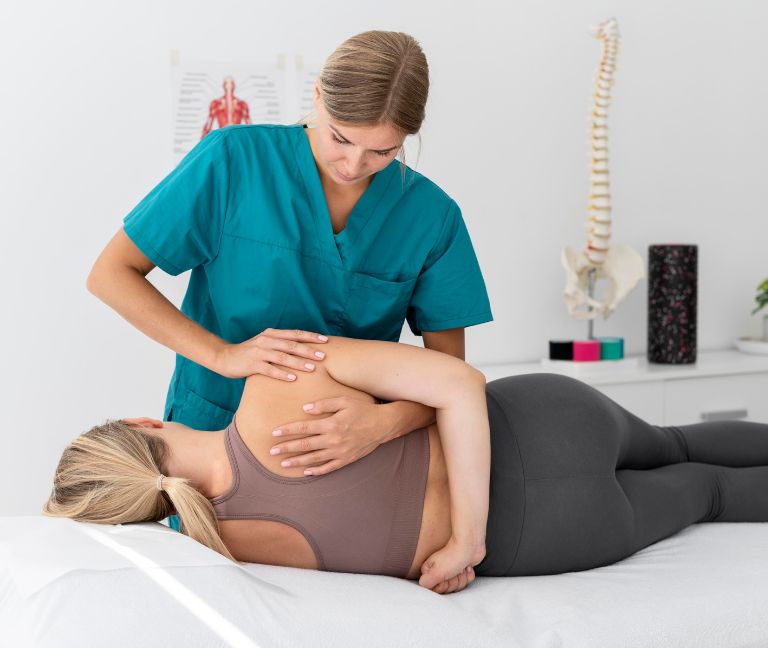
Muscle strains can cause discomfort, stiffness, swelling, and difficulty performing everyday activities such as walking, lifting, bending, or exercising. At The Bright Physio & Mindfulness Massage, care for muscle strains focuses on assessing the affected area, identifying factors that may contribute to symptoms, and supporting movement through appropriate physiotherapy and massage approaches.
Muscle Strains in Edmonton can affect people of all ages, including athletes, office workers, active adults, and individuals whose daily activities involve repetitive movements or physical effort. Early assessment can help determine the extent of the strain and identify suitable care options. The Bright Physio & Mindfulness Massage provides care for people experiencing muscle-related discomfort, with an emphasis on movement, functional ability, and a gradual return to everyday activities.
What Are Muscle Strains?
Muscle strains occur when muscle fibres or the tendons connecting muscles to bones become overstretched or torn. They can develop suddenly during physical activity or gradually through repeated stress on a muscle. Muscle strains are sometimes called pulled muscles and can affect different parts of the body.
Commonly affected areas include the back, neck, shoulders, hamstrings, quadriceps, calves, and arms. The severity can range from mild overstretching to a more significant tear that requires medical assessment.
Muscle Strains may occur when someone lifts a heavy object, makes a sudden movement, exercises without adequate preparation, or places repeated demands on a particular muscle group. Symptoms vary depending on the location and extent of the injury.
Common signs include:
- Pain or tenderness in the affected muscle
- Swelling or bruising
- Muscle stiffness or tightness
- Reduced flexibility or range of motion
- Weakness when moving or lifting
- Discomfort during physical activity
- Difficulty completing certain daily tasks
A healthcare professional can assess symptoms and help determine whether the problem is a muscle strain or another condition with similar signs.
Who Can Benefit from Muscle Strain Treatment?
Muscle strain care may be appropriate for people experiencing muscle discomfort, restricted movement, or difficulty returning to their usual activities following an injury.
Athletes and Sports Participants
Running, jumping, lifting, kicking, and sudden changes in direction can place substantial demands on muscles. Athletes may develop strains in the hamstrings, calves, groin, shoulders, or lower back. Physiotherapy can help address movement limitations and support a gradual return to sporting activities.
Office Workers
Prolonged sitting, repetitive tasks, and limited movement throughout the working day may contribute to muscle tension and discomfort. People who experience back, shoulder, or neck symptoms may benefit from an assessment to identify movement restrictions and contributing activity patterns.
Physically Active Adults
People who participate in gym workouts, cycling, hiking, recreational sports, or home exercise may experience strains after increasing activity levels or performing unfamiliar movements.
Workers With Physical Job Demands
Construction workers, warehouse employees, delivery personnel, and others who regularly lift, carry, bend, or perform repetitive tasks may develop muscle strains. Appropriate assessment can help identify functional limitations and guide a gradual return to job duties.
Older Adults
Muscle strains can occur during everyday activities such as gardening, climbing stairs, lifting household items, or reaching overhead. Assessment can help identify movement difficulties and suitable activity modifications.
Common Problems Associated with Muscle Strains
Muscle strains can affect movement, physical activity, work duties, and daily routines. The symptoms and limitations depend on which muscle is affected and how severely it has been injured.
Common problems include:
- Back discomfort: Strains involving back muscles may make bending, twisting, standing, or sitting uncomfortable.
- Neck and shoulder stiffness: Muscle strain can limit head movement, arm movement, or comfortable working positions.
- Hamstring injuries: Strains in the back of the thigh may cause discomfort during walking, running, or stretching.
- Calf muscle injuries: Calf strains may make walking, climbing stairs, or pushing off the foot difficult.
- Quadriceps strains: Injuries in the front of the thigh can affect running, squatting, and climbing stairs.
- Reduced flexibility: Tightness and tenderness can restrict the movement of the affected area.
- Muscle weakness: A strained muscle may not tolerate the same physical demands as before the injury.
- Activity limitations: Pain or stiffness can interfere with exercise, household chores, and occupational tasks.
The appropriate approach depends on the severity of the injury. Severe pain, significant swelling, an audible popping sensation at the time of injury, inability to bear weight, or substantial weakness should prompt medical assessment. These symptoms can indicate a more serious injury.
How The Bright Physio & Mindfulness Massage Approaches Muscle Strains
Care for Muscle Strains in Edmonton begins with assessing symptoms, movement, and daily activity requirements. The appropriate approach depends on the affected muscle, the suspected severity of the injury, and the individual’s current functional ability.
1. Initial Consultation
The process begins with a discussion about the injury, including when symptoms started, what movements cause discomfort, and how the condition affects daily activities.
2. Physical Assessment
Where appropriate, an assessment may include checking the affected area, range of motion, muscle strength, tenderness, and functional movements. Findings help determine suitable next steps and whether medical assessment is required.
3. Care Planning
Based on the assessment, the practitioner can discuss appropriate care options. These may include activity modification, gradual movement, therapeutic exercises, and other suitable physiotherapy approaches.
4. Treatment Sessions
Depending on the findings and services available at the clinic, care may include guided exercises, mobility work, and appropriate massage approaches. Techniques should be selected according to the nature of the injury and the stage of recovery. Aggressive massage or forceful stretching may be unsuitable during an acute muscle strain.
5. Progress Review
Movement, symptoms, and tolerance for daily activities can be reviewed to determine whether the approach needs adjustment. Progress varies according to the severity of the strain and individual circumstances.
6. Return to Daily Activities
As symptoms and function improve, activity can be increased gradually. The aim is to support a safe return to work, exercise, sports, and other regular tasks without placing excessive demands on the affected muscle.
Treatment Options for Muscle Strains
Treatment for Muscle Strains depends on the type and severity of the injury. Mild strains may improve with temporary activity modification and gradual movement, while more significant injuries may require medical assessment and a structured rehabilitation plan.
Activity Modification
Temporarily reducing activities that aggravate symptoms can prevent unnecessary stress on the affected muscle. Complete inactivity is not necessary for every strain; appropriate movement may be encouraged according to symptom severity.
Therapeutic Exercises
When suitable, guided exercises can address restricted movement, muscle weakness, and reduced tolerance for physical activity. Exercise selection and progression depend on the affected muscle and stage of recovery.
Mobility Exercises
Gentle movement may help address stiffness as the injury settles. Stretching should be introduced cautiously and should not cause sharp or increasing pain.
Massage Therapy
Massage may be considered for selected muscle-related symptoms, depending on the nature and stage of the injury. Direct, forceful pressure over a newly injured or significantly swollen area should be avoided unless a qualified practitioner determines that it is appropriate.
Gradual Strengthening
As the muscle tolerates more activity, progressive strengthening may help prepare it for everyday physical demands. The progression should account for pain, movement quality, and functional ability.
Activity and Movement Advice
Advice may cover lifting habits, exercise progression, work tasks, and modifications to activities that place repeated demands on the affected muscle.
Not every treatment option is appropriate for every injury. A suspected severe tear, tendon injury, or other significant condition may require further investigation or referral.
Benefits of Appropriate Muscle Strain Care
Appropriate assessment and care can help people manage the effects of Muscle Strains and work towards restoring their usual movement and activity levels.
Potential outcomes include:
- Improved tolerance for everyday movements
- Increased flexibility when restricted movement is present
- Gradual improvement in muscle strength
- Greater confidence when returning to physical activity
- Identification of activities that aggravate symptoms
- Practical advice for managing work and household tasks
- A structured approach to progressing exercise
- Improved awareness of movement patterns and physical demands
Results vary according to injury severity, general health, activity demands, and adherence to clinical advice. Mild strains may settle within a few weeks, while more significant injuries can take several weeks or months to recover.
Types of Muscle Strains
Muscle strains are commonly classified according to their severity.
Grade 1: Mild Strain
A mild strain involves limited damage to muscle fibres. Symptoms may include tenderness, minor discomfort, and little or no loss of strength. Movement is often possible, although some activities may be uncomfortable.
Grade 2: Moderate Strain
A moderate strain involves more substantial damage to muscle fibres. Symptoms may include noticeable pain, swelling, bruising, weakness, and restricted movement. Assessment can help determine the appropriate care and whether further investigation is needed.
Grade 3: Severe Strain
A severe strain may involve a complete or near-complete tear of the muscle or tendon. Significant pain, weakness, bruising, or difficulty using the affected body part may occur. Prompt medical assessment is important, as some injuries require imaging or surgical evaluation.
These grades are general classifications. The severity of symptoms alone cannot always establish the extent of tissue damage.
Industries and Customers Served
The Bright Physio & Mindfulness Massage in Edmonton may be relevant to individuals from a range of occupations and activity backgrounds who are seeking assessment or care for muscle-related problems.
Relevant groups include:
- Sports and recreation: Runners, gym participants, cyclists, and recreational athletes.
- Office and administrative work: Individuals with movement-related discomfort associated with prolonged sitting or repetitive tasks.
- Construction and trades: Workers whose duties involve lifting, carrying, bending, and physical exertion.
- Warehousing and logistics: Employees who handle materials or perform repetitive physical tasks.
- Retail and hospitality: Workers who spend extended periods standing, walking, or carrying items.
- Home and family activities: People experiencing strains during gardening, cleaning, childcare, or household tasks.
- Older adults: Individuals who experience muscle discomfort or movement limitations during routine activities.
Care should reflect the individual’s symptoms, job demands, physical activity, and functional goals.
Frequently Asked Questions
1. What causes Muscle Strains?
Muscle Strains commonly occur when a muscle is stretched beyond its capacity or exposed to excessive force. Sudden movements, heavy lifting, strenuous exercise, repetitive activity, and inadequate preparation for physical demands can contribute to an injury.
2. How long do Muscle Strains take to recover?
Recovery depends on the severity of the strain, the affected muscle, and individual circumstances. Mild strains may improve within a few weeks, while moderate or severe injuries may take several weeks or months. A healthcare professional can assess the injury and discuss an appropriate recovery plan.
3. Should I use heat or ice for a muscle strain?
Ice wrapped in a cloth may help manage discomfort and swelling during the early stage of an injury. Apply it for short periods and avoid placing ice directly on the skin. Heat may be appropriate for some later-stage stiffness, but it may aggravate swelling in an acute injury. Seek medical advice if symptoms are severe or the injury is unclear.
4. Can massage help with Muscle Strains?
Massage may be appropriate in selected cases, depending on the stage and severity of the injury. Forceful massage directly over a newly strained, bruised, or swollen muscle may aggravate symptoms. A qualified practitioner can assess whether massage is suitable and discuss other care options.
5. When should I seek professional care for a muscle strain?
Consider an assessment if pain persists, movement remains restricted, symptoms interfere with daily tasks, or the injury is not improving. Seek prompt medical attention for severe pain, substantial swelling or bruising, significant weakness, an audible pop during injury, or difficulty bearing weight or using the affected limb.
6. Can physiotherapy help with Muscle Strains?
Physiotherapy may help address restricted movement, weakness, and difficulties returning to normal activities. Depending on the assessment, care may include guided exercises, gradual strengthening, movement advice, and activity progression.
7. Can I continue exercising with a muscle strain?
Activities that cause sharp pain or increase symptoms should be avoided. Depending on the injury, gentle movement or modified exercise may be suitable. A gradual return to training should be based on symptoms, strength, and functional ability rather than a fixed timeline.
Muscle Strains in Edmonton: Service Area
The Bright Physio & Mindfulness Massage serves people seeking physiotherapy and massage-related care in Edmonton. Individuals experiencing muscle strains may contact the clinic to ask about assessment options, available services, appointment scheduling, and whether their symptoms are suitable for care at the clinic.
People travelling from nearby communities can confirm service availability and clinic details before arranging a visit.
Why Choose The Bright Physio & Mindfulness Massage?
When seeking care for Muscle Strains in Edmonton, it is important to find a clinic that considers the nature of the injury, movement limitations, and everyday activity demands.
The Bright Physio & Mindfulness Massage provides a setting where individuals can inquire about physiotherapy and mindfulness massage services for muscle-related concerns. An initial discussion can help establish whether the clinic’s services are appropriate for the symptoms and whether medical assessment should come first.
When contacting the clinic, consider asking about:
- Assessment procedures for muscle strains
- Available physiotherapy and massage services
- Practitioner qualifications and relevant clinical experience
- Appointment availability and session fees
- Recommendations for injuries that may require medical investigation
These details can help individuals make an informed decision about their care. Any claims about practitioner credentials, clinic facilities, or specific treatment methods should be confirmed directly with the clinic.
Related Services
People experiencing Muscle Strains may also wish to inquire about related services, depending on their symptoms and clinical assessment.
Related service topics may include:
- Physiotherapy
- Therapeutic Massage
- Sports Injury Rehabilitation
- Muscle Tension Assessment
- Mobility and Flexibility Exercises
- Movement and Functional Assessment
Availability of these services should be confirmed with The Bright Physio & Mindfulness Massage. Internal links to the clinic’s relevant service pages can be added where those pages are available.
Get Started
Muscle Strains can make work, exercise, and routine activities more difficult. Identifying the affected area and assessing movement limitations can help determine the appropriate next steps.
If you are experiencing Muscle Strains in Edmonton, contact The Bright Physio & Mindfulness Massage to inquire about available services and appointment options. Share when the symptoms began, which area is affected, and which movements are difficult. The clinic can explain its available services and help you determine whether an appointment is appropriate.
Phone: +1 780-737-1019
Address: 4904 30 Ave #105, Beaumont, Edmonton, AB T4X 3G3, Canada

 +1 (780) 737-1019