Postpartum / Postnatal Rehabilitation
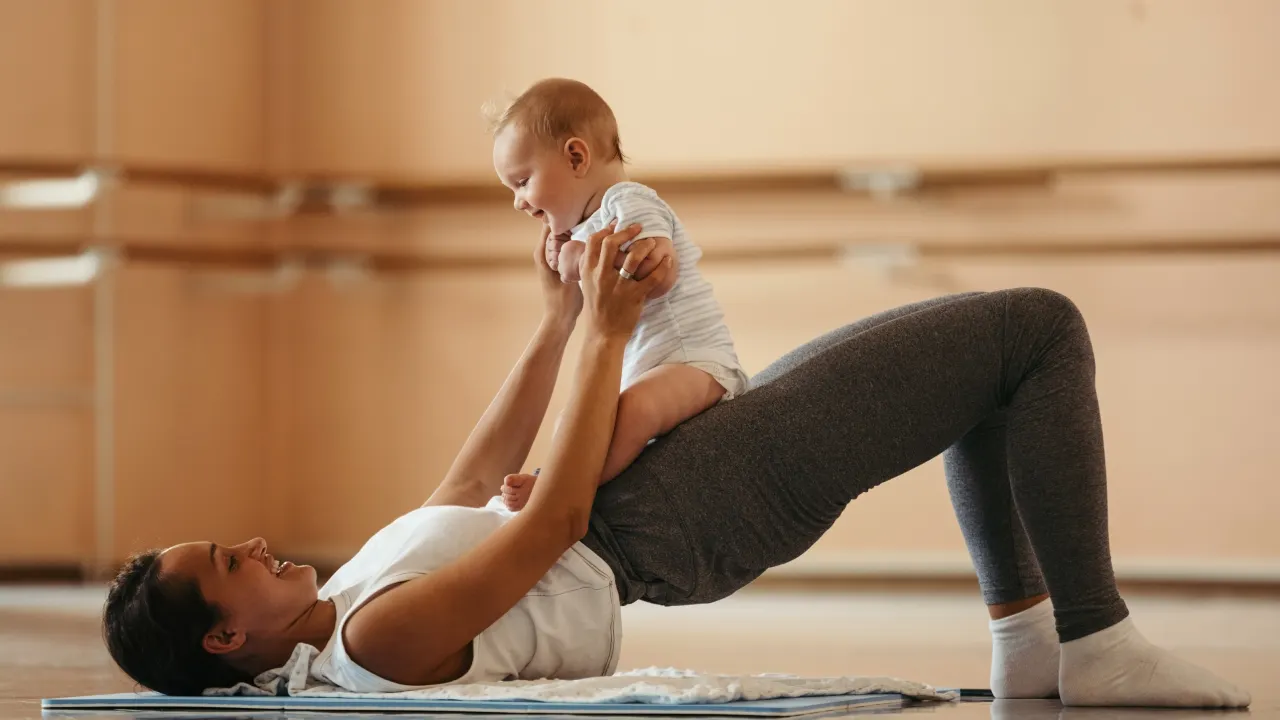
Pregnancy, childbirth, and the weeks or months following delivery can bring physical changes that affect movement, posture, muscle strength, pelvic floor function, and everyday activities. Postpartum/postnatal rehabilitation focuses on helping individuals address these changes through appropriate physiotherapy care, movement assessment, therapeutic exercises, and gradual physical activity.
At The Bright Physio & Mindfulness Massage in Edmonton, postpartum rehabilitation can support individuals as they adjust to the physical demands of caring for a newborn, returning to regular activities, and rebuilding confidence in movement. Whether you are experiencing pelvic floor concerns, abdominal muscle weakness, back discomfort, or difficulty returning to exercise after childbirth, a physiotherapy assessment can help identify your needs and determine suitable next steps.
What Is Postpartum / Postnatal Rehabilitation?
Postpartum/postnatal rehabilitation is a form of physiotherapy care that addresses physical changes following pregnancy and childbirth. It focuses on evaluating movement, muscle function, posture, pelvic floor coordination, abdominal strength, and activity tolerance to help individuals manage common postpartum concerns.
Pregnancy and delivery can place considerable demands on the abdominal muscles, pelvic floor, hips, back, and surrounding tissues. These changes may affect activities such as walking, lifting, bending, feeding a baby, getting out of bed, or returning to exercise.
Postpartum/postnatal rehabilitation may include:
- Pelvic floor muscle assessment and exercises, when appropriate.
- Abdominal muscle activation and core coordination.
- Posture and movement assessment.
- Exercises for hip, back, and general muscle strength.
- Breathing exercises and movement coordination.
- Education about lifting, carrying, and everyday activities.
- Gradual return-to-exercise planning is based on individual needs.
The type and timing of care depend on factors such as the delivery method, current symptoms, stage of postpartum recovery, medical history, and advice from the individual’s healthcare provider. A physiotherapist can help determine which activities are appropriate and whether additional medical assessment is needed.
Who Can Benefit from Postpartum / Postnatal Rehabilitation?
Postpartum/postnatal rehabilitation in Edmonton may be suitable for individuals experiencing physical changes after vaginal delivery or a caesarean birth. Care is based on current symptoms, functional needs, and recovery status rather than a fixed timeline.
Individuals Experiencing Pelvic Floor Changes
Some people notice urinary leakage, pelvic pressure, difficulty coordinating pelvic floor muscles, or discomfort during certain activities after childbirth. A physiotherapy assessment can help determine whether pelvic floor rehabilitation may be appropriate.
Individuals With Abdominal Muscle Weakness
Pregnancy can stretch the abdominal wall and affect how the core muscles work together. Individuals who notice reduced trunk strength, difficulty with certain movements, or abdominal separation may benefit from an assessment and suitable exercises.
Individuals Experiencing Back, Hip, or Pelvic Discomfort
Carrying a newborn, feeding in a sustained position, lifting a car seat, and repeatedly bending can place demands on the back and hips. Postnatal physiotherapy can assess movement patterns and help identify exercises and activity adjustments that suit the individual’s needs.
Individuals Returning to Exercise
Resuming running, strength training, yoga, or other fitness activities after childbirth requires consideration of strength, coordination, symptoms, and physical readiness. Rehabilitation can help establish a gradual approach to increasing activity.
Individuals Recovering After a Caesarean Birth
A caesarean birth involves abdominal surgery and requires appropriate consideration of incision healing, abdominal movement, and activity progression. Rehabilitation may address mobility, posture, breathing, and gradual strengthening once medical clearance and the individual’s recovery status permit.
Individuals Adjusting to Daily Parenting Activities
New parents may experience difficulty with prolonged sitting, standing, walking, lifting, carrying, or changing positions. Physiotherapy can help identify ways to manage these physical demands while taking recovery needs into account.
Problems Addressed Through Postpartum / Postnatal Rehabilitation
Physical changes following childbirth vary from person to person. Postpartum/postnatal rehabilitation may address several concerns that affect comfort, movement, and participation in daily life.
Common concerns include:
- Pelvic floor weakness or coordination difficulties: Changes in muscle function may affect bladder control, pelvic support, and exercise tolerance.
- Urinary leakage: Coughing, sneezing, lifting, or physical activity may trigger leakage in some individuals.
- Abdominal muscle weakness: Reduced core coordination may make certain movements feel difficult.
- Diastasis recti: Separation between the abdominal muscles may require assessment of abdominal wall function and exercise tolerance.
- Back and pelvic discomfort: Changes in posture, movement habits, and physical demands may contribute to discomfort.
- Hip and muscle tension: Repetitive lifting, carrying, feeding positions, and limited rest may affect muscle comfort.
- Reduced physical stamina: Pregnancy, childbirth, disrupted sleep, and changes in daily routines can affect activity tolerance.
- Difficulty returning to fitness: Some individuals need help identifying appropriate starting activities and progression.
- Movement limitations after childbirth: Getting up from the floor, climbing stairs, bending, and lifting may feel challenging.
- Scar-related concerns after caesarean birth: Once the incision has healed and medical clearance is appropriate, assessment may address scar mobility and surrounding movement restrictions.
Symptoms such as significant pelvic pain, heavy bleeding, fever, wound problems, sudden shortness of breath, chest pain, severe headache, or one-sided leg swelling require prompt medical assessment rather than routine rehabilitation alone.
What Does Postpartum / Postnatal Rehabilitation Include?
The specific components of postpartum/postnatal rehabilitation depend on the assessment findings, symptoms, delivery history, and personal activity goals. Treatment may involve a combination of the following elements.
Initial Physiotherapy Assessment
The physiotherapist reviews relevant pregnancy and delivery history, current symptoms, daily activities, previous injuries, and recovery progress. The assessment may include posture, movement, breathing, abdominal function, strength, and functional tasks.
Pelvic floor assessment may be discussed when relevant and performed only with informed consent and appropriate clinical considerations.
Pelvic Floor Rehabilitation
The pelvic floor muscles help support the pelvic organs and contribute to bladder and bowel control. Depending on the assessment, rehabilitation may involve learning to contract and relax these muscles, coordinating them with breathing, and gradually progressing exercises.
Pelvic floor care is not limited to strengthening. Some individuals have difficulty relaxing these muscles or experience excessive tension, making coordination and relaxation important parts of their care.
Abdominal and Core Rehabilitation
Abdominal rehabilitation focuses on restoring coordination between the abdominal muscles, breathing system, and surrounding muscles. Exercises may begin with gentle activation and progress according to movement control, symptoms, and physical readiness.
Individuals with diastasis recti may benefit from an assessment of abdominal wall function. Exercise selection should reflect the person’s abilities rather than relying on a single exercise routine for everyone.
Posture and Movement Training
Feeding, holding, lifting, and carrying a baby can involve repeated movements and sustained positions. Physiotherapy may address movement habits, positioning, and practical strategies for managing these activities.
Strength and Mobility Exercises
Exercises may target the hips, legs, back, abdominal muscles, and other areas affected by changes during pregnancy and postpartum recovery. The focus is on movement quality, appropriate loading, and gradual increases in activity.
Return-to-Exercise Planning
A gradual progression may help individuals prepare for activities such as walking, resistance training, yoga, or running. Progression depends on symptoms, functional capacity, recovery status, and relevant medical advice.
Education for Everyday Activities
Education may cover lifting mechanics, breathing during exertion, pacing, activity modification, and recognizing symptoms that indicate a need to adjust an exercise or seek further assessment.
How the Postpartum / Postnatal Rehabilitation Process Works
At The Bright Physio & Mindfulness Massage in Edmonton, the rehabilitation process can be discussed with the clinic to confirm the available services and appointment arrangements. A typical physiotherapy pathway may include the following stages.
Initial Consultation
The first appointment involves discussing current concerns, pregnancy and delivery history, activity levels, and goals. This conversation helps identify which areas may require further assessment.
Physical Assessment
The physiotherapist evaluates relevant movement patterns and physical functions. Depending on the presenting concerns, this may include posture, abdominal coordination, pelvic floor function, mobility, strength, and tolerance for daily activities.
Care Planning
Based on the assessment, the physiotherapist establishes appropriate priorities and discusses possible interventions. The plan may focus on one area, such as abdominal strength, or several areas, such as pelvic floor coordination and movement tolerance.
Rehabilitation Sessions
Sessions may include guided exercises, movement training, education, and other physiotherapy interventions appropriate to the individual’s condition. Exercises can be adjusted as symptoms, strength, and activity tolerance change.
Progress Reviews
Progress is reviewed by considering changes in symptoms, movement, exercise tolerance, and daily function. The physiotherapist may modify exercises or activity recommendations when needed.
Ongoing Exercise and Activity Progression
As appropriate, individuals may continue with a home exercise routine and gradually resume desired activities. Follow-up appointments can help address new concerns or review progress as physical demands change.
Benefits of Postpartum / Postnatal Rehabilitation
Postpartum/postnatal rehabilitation can help individuals address physical concerns that arise after childbirth and work towards functional goals through appropriate assessment and exercise.
Potential benefits include:
- Improved pelvic floor coordination: Exercises and movement training may help address certain pelvic floor symptoms.
- Increased abdominal strength: Progressive exercises can help develop core coordination and support functional movements.
- Improved movement confidence: Learning how to move and lift with appropriate control may make daily tasks feel more manageable.
- Support for back and hip function: Assessment and exercise may address contributing movement patterns and muscle weakness.
- Preparation for physical activity: A gradual progression can help individuals work towards returning to exercise.
- Practical parenting strategies: Movement education can address the repeated physical demands of feeding, carrying, and lifting a baby.
- Increased awareness of recovery needs: Individuals can learn which symptoms warrant exercise adjustments or further assessment.
- A structured approach to physical recovery: Regular reviews and suitable exercises can help track changes in strength, movement, and activity tolerance.
Results vary according to the individual’s condition, recovery stage, health history, and participation in the recommended program. Rehabilitation does not replace medical assessment when symptoms suggest a condition requiring medical care.
Who Is Postpartum / Postnatal Rehabilitation For?
Postpartum/postnatal rehabilitation may serve people from a range of backgrounds and circumstances, including:
- First-time parents adjusting to physical changes after childbirth.
- Parents who have had previous pregnancies and deliveries.
- Individuals recovering after vaginal delivery.
- Individuals recovering after caesarean birth.
- Active individuals preparing to resume fitness activities.
- People experiencing pelvic floor symptoms after pregnancy.
- Individuals with abdominal weakness or concerns about diastasis recti.
- Parents experiencing back, hip, or pelvic discomfort during daily activities.
- Individuals who want to learn appropriate movement and exercise strategies during postpartum recovery.
Rehabilitation needs differ from person to person. The appropriate starting point depends on symptoms, medical considerations, and physical readiness.
Frequently Asked Questions
What is Postpartum / Postnatal Rehabilitation?
Postpartum/postnatal rehabilitation is physiotherapy care that addresses physical changes after pregnancy and childbirth. It may include pelvic floor assessment, abdominal exercises, movement training, posture education, strength work, and gradual return-to-exercise planning.
When can I start postpartum/postnatal rehabilitation?
The appropriate time depends on the delivery method, recovery progress, symptoms, and medical considerations. Gentle movement may be suitable early for some individuals, while other activities require more time or medical clearance. Consult your healthcare provider or physiotherapist about when to begin.
Is postpartum physiotherapy suitable after a caesarean birth?
Yes, physiotherapy may be appropriate after a caesarean birth. The program must account for surgical recovery, incision healing, symptoms, and medical advice. Early care may focus on safe mobility and breathing, with strengthening introduced as appropriate.
Can postpartum/postnatal rehabilitation help with urinary leakage?
Pelvic floor physiotherapy may help some individuals experiencing urinary leakage after childbirth. Assessment can determine whether muscle weakness, coordination difficulties, excessive tension, or other factors may be contributing to the symptoms.
Can rehabilitation address diastasis recti?
Physiotherapy can assess abdominal wall function and help individuals work on appropriate abdominal coordination and strength. The exercise program depends on symptoms, movement control, and functional goals. Not every case requires the same approach.
How many postpartum physiotherapy sessions will I need?
The number of sessions depends on the concerns being addressed, assessment findings, progress, and personal goals. Some people need only a small number of appointments, while others may benefit from periodic reviews over a longer period.
Do I need a referral for postpartum physiotherapy in Edmonton?
Referral requirements can depend on the clinic, payment arrangements, insurance plan, and type of service. Contact The Bright Physio & Mindfulness. Massage to confirm its current requirements before booking.
Can I attend postpartum rehabilitation months or years after giving birth?
Yes. Individuals may seek physiotherapy months or even years after childbirth if they continue to experience pelvic floor symptoms, abdominal weakness, movement limitations, or difficulty with exercise. An assessment can help determine appropriate next steps.
Postpartum / Postnatal Rehabilitation in Edmonton
The Bright Physio & Mindfulness Massage serves as the local point of contact for individuals seeking information about postpartum physiotherapy in Edmonton. People in Edmonton and surrounding communities can contact the clinic to confirm its service area, appointment availability, and the types of postpartum rehabilitation it provides.
When looking for postpartum physiotherapy, consider whether the clinic can assess your particular concerns, explain the proposed approach, and account for your delivery history and current recovery status.
If you are unsure whether physiotherapy is appropriate for your symptoms, speak with your physician, midwife, or other healthcare provider.
Why Choose The Bright Physio & Mindfulness Massage?
Choosing a clinic for postpartum care involves considering the services available, the physiotherapist’s qualifications, and the clinic’s approach to assessment and exercise.
When contacting The Bright Physio & Mindfulness Massage in Edmonton, you can ask about:
- Postpartum assessment: Whether the clinic assesses abdominal, pelvic floor, postural, and movement concerns.
- Physiotherapist qualifications: The registration and training of the clinician who would provide your care.
- Treatment options: Which physiotherapy interventions and exercise programs are available for your needs?
- Recovery considerations: How the clinician accounts for vaginal delivery, caesarean birth, symptoms, and medical advice.
- Appointment arrangements: Session length, fees, booking procedures, and insurance documentation.
- Home exercise planning: Whether you will receive exercises and instructions to practice between appointments.
These details can help you decide whether the clinic’s services align with your needs. Contact the clinic directly to confirm its current postpartum services, clinician credentials, and booking information.
Related Services
Depending on the clinic’s current service list, related areas of care may include:
- Pelvic floor physiotherapy.
- Core strengthening and abdominal rehabilitation.
- Back and pelvic physiotherapy.
- Hip mobility and strengthening exercises.
- Post-surgical rehabilitation.
- Posture and movement assessment.
- Return-to-exercise rehabilitation.
- General physiotherapy for muscle and joint concerns.
Contact The Bright Physio & Mindfulness. Massage to confirm which of these services are available and whether they are suitable for your condition.
Take The Next Step
Adjusting to life after childbirth can involve physical challenges that affect movement, exercise, and daily routines. Postpartum / Postnatal Rehabilitation provides an opportunity to discuss these concerns, assess relevant physical functions, and explore appropriate physiotherapy options.
If you are experiencing pelvic floor symptoms, abdominal weakness, back discomfort, or difficulty returning to regular activities, contact The Bright Physio & Mindfulness Massage in Edmonton to ask about postpartum physiotherapy appointments.
During your inquiry, describe your main concerns, when you gave birth, whether you had a normal Child delivery or caesarean birth, and any relevant medical advice you have received. This information can help the clinic determine the appropriate next steps and explain its appointment process.
Contact The Bright Physio & Mindfulness Massage in Edmonton to inquire about postpartum/postnatal rehabilitation and discuss your postpartum physiotherapy needs.
Phone: +1 780-737-1019
Address: 4904 30 Ave #105, Beaumont, Edmonton, AB T4X 3G3, Canada
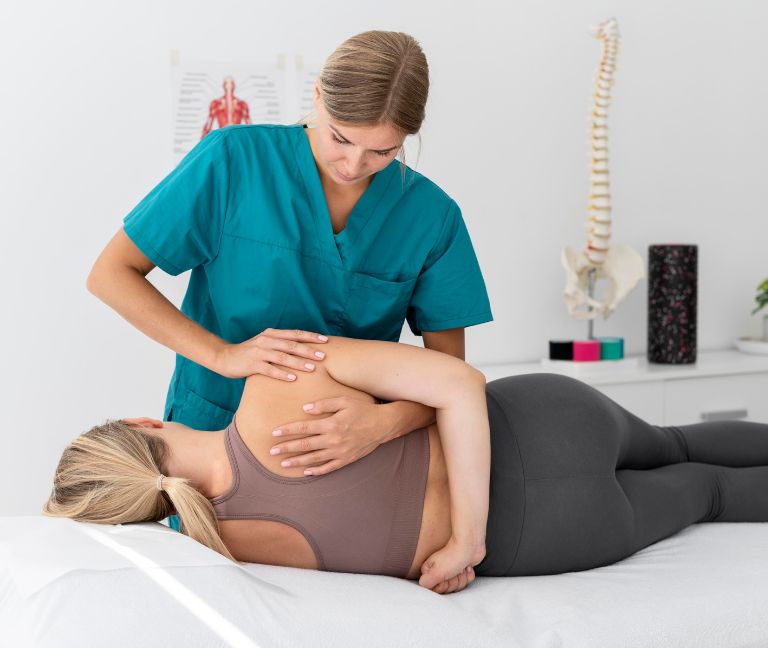

 +1 (780) 737-1019