Workplace Injuries

Workplace injuries can affect how a person moves, performs job duties, sleeps, and manages everyday activities. At The Bright Physio & Mindfulness Massage, workplace injury care in Edmonton focuses on addressing movement difficulties, muscle tension, joint discomfort, and physical limitations that may develop after an accident or repeated workplace strain. Physiotherapy and massage therapy may help workers manage symptoms, improve mobility, and work towards returning to their regular activities safely. Whether an injury occurs while lifting heavy objects, standing for extended periods, operating machinery, or performing repetitive tasks, appropriate assessment and care can help identify physical concerns and establish a suitable plan based on each worker’s needs.
What Are Workplace Injuries?
Workplace Injuries refer to physical harm or functional difficulties that occur while performing work-related duties. These injuries may result from sudden accidents, repetitive movements, prolonged postures, heavy lifting, falls, or physical strain. Some injuries develop immediately, while others emerge gradually after repeated stress on muscles, tendons, ligaments, joints, and nerves.
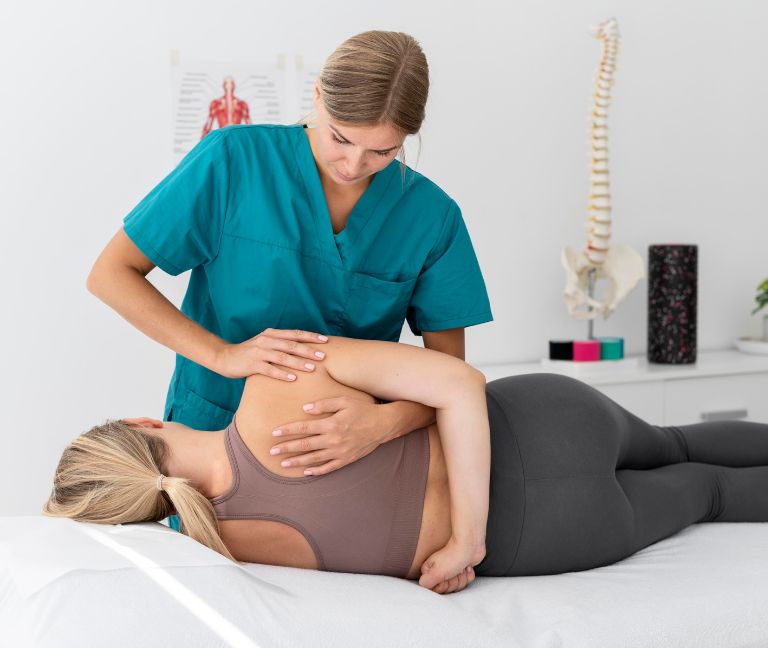
Workplace injury care may include physiotherapy, therapeutic exercises, movement assessment, and massage therapy, depending on the injury and the worker’s circumstances. The purpose is to address physical limitations, support mobility, and help individuals manage activities at work and at home.
At The Bright Physio & Mindfulness Massage in Edmonton, workers can inquire about care options for a range of musculoskeletal concerns associated with their jobs. The appropriate approach depends on the symptoms, injury history, functional limitations, and findings from an assessment.
Common examples of Workplace Injuries include:
- Back strain from lifting, carrying, or moving objects.
- Neck and shoulder discomfort associated with repetitive tasks or prolonged desk work.
- Wrist and hand problems linked to repeated gripping, typing, or tool use.
- Knee and ankle injuries following slips, trips, or falls.
- Muscle strains caused by sudden movements or physical exertion.
- Repetitive strain injuries affecting muscles, tendons, and other soft tissues.
- Restricted movement following a work-related accident.
- Physical discomfort associated with prolonged standing or awkward working positions.
Who Can Benefit from Workplace Injury Care?
Workplace injury care may be suitable for employees, tradespeople, office workers, industrial staff, and other individuals experiencing physical symptoms associated with their jobs.
Office Workers
Employees who spend extended periods at computers may develop neck stiffness, shoulder tension, wrist discomfort, or back symptoms. Prolonged sitting, repetitive typing, and workstation positioning can contribute to these concerns.
Construction and Trades Workers
Construction workers, electricians, plumbers, carpenters, and other tradespeople may experience strains from lifting materials, climbing, kneeling, working overhead, or handling tools. Assessment can help identify movement restrictions and areas requiring attention.
Warehouse and Manufacturing Employees
Workers who lift boxes, move stock, operate equipment, or repeat the same movements throughout a shift may develop muscle fatigue, joint discomfort, or repetitive strain symptoms.
Healthcare and Caregiving Staff
Nurses, personal support workers, caregivers, and other healthcare employees may experience physical strain from assisting patients, maintaining awkward positions, or performing repeated lifting and transfers.
Retail and Hospitality Employees
Retail associates, restaurant workers, kitchen staff, and hospitality employees may spend long hours standing, carrying supplies, bending, or reaching. These demands can contribute to discomfort in the back, feet, shoulders, and legs.
Drivers and Delivery Personnel
Professional drivers and delivery workers may experience stiffness associated with prolonged sitting, repeated vehicle entry and exit, loading items, and handling packages.
Employees Returning After an Injury
Workers who have already received medical attention for Workplace Injuries may need support with movement, strength, flexibility, and functional activities before resuming regular duties. Their return-to-work plan should account for medical advice, job demands, and any applicable workplace restrictions.
Common Problems Associated with Workplace Injuries
Work-related physical problems can vary depending on the task, environment, injury mechanism, and individual health circumstances. Recognizing changes in movement and physical function can help workers decide when to seek an assessment.
Common concerns include:
- Back pain and muscle strain: Lifting, twisting, carrying, or repetitive bending may contribute to back symptoms.
- Neck and shoulder tension: Repeated reaching, desk work, overhead activities, and awkward postures may affect these areas.
- Wrist and elbow discomfort: Repetitive gripping, typing, lifting, and tool use can place stress on the upper limbs.
- Knee and ankle problems: Slips, falls, kneeling, climbing, and prolonged standing may affect lower-limb function.
- Reduced flexibility: Pain or muscle tightness may make bending, reaching, turning, or lifting more difficult.
- Limited strength and endurance: Some injuries can affect the ability to carry objects, remain standing, or complete a full work shift.
- Repetitive strain symptoms: Repeated movements without adequate variation or recovery may contribute to discomfort over time.
- Difficulty completing daily activities: Work-related symptoms may interfere with household tasks, exercise, sleep, and commuting.
Severe pain after an accident, suspected fractures, significant swelling, new weakness, or symptoms involving numbness that are sudden or worsening require prompt medical assessment. Chest pain, breathing difficulties, or serious injuries require emergency care.
Workplace Injury Services and Care Options
Care for Workplace Injuries depend on the type of injury, symptom severity, medical history, and the physical requirements of the job. The Bright Physio & Mindfulness Massage can discuss appropriate physiotherapy and massage therapy options with individuals seeking care in Edmonton.
Physiotherapy Assessment
A physiotherapy assessment may examine movement, flexibility, strength, posture, balance, and functional limitations. The findings help identify areas that may require attention and determine whether physiotherapy is appropriate.
Therapeutic Exercise
Exercises may be recommended to address mobility, strength, coordination, and physical endurance. The exercise plan should reflect the worker’s current abilities, injury status, and relevant medical recommendations.
Movement and Functional Training
Functional activities may focus on movements used during everyday tasks and work duties, such as bending, reaching, lifting, carrying, or changing positions. Activities should be introduced according to the individual’s capacity and safety requirements.
Massage Therapy
Massage therapy may be considered for muscle tension and certain musculoskeletal symptoms associated with work-related strain. The therapist should account for the injury, symptoms, medical considerations, and any restrictions before proceeding.
Mobility and Flexibility Work
Appropriate mobility activities may help address stiffness and restrictions that interfere with normal movement. The type and intensity of activity depend on the injury and assessment findings.
Return-to-Work Preparation
Some workers may need a gradual progression toward regular job duties. This can involve discussing functional goals, activity tolerance, movement requirements, and communication with relevant healthcare or workplace professionals, where appropriate.
Not every service is suitable for every injury. Treatment decisions should follow an assessment and any required medical evaluation.
How the Workplace Injury Care Process Works
The process for addressing Workplace Injuries may include the following steps.
Initial Consultation
The worker discusses the injury, current symptoms, work activities, and the ways the problem affects daily life. Relevant information may include when the symptoms started, whether an accident occurred, and which activities aggravate the condition.
Physical Assessment
The assessment may examine movement, posture, flexibility, strength, and functional ability. The clinician also considers whether symptoms suggest the need for further medical investigation.
Care Planning
Based on the assessment, the clinician discusses appropriate care options, activity modifications, exercises, and treatment goals. The plan should reflect the individual’s symptoms, job demands, and personal circumstances.
Treatment Sessions
Depending on clinical findings, care may involve physiotherapy, therapeutic exercises, movement training, or massage therapy when appropriate. Progression should be based on symptom response and functional ability.
Progress Reviews
Changes in movement, strength, activity tolerance, and symptoms can be reviewed over subsequent visits. The care plan may be adjusted if the worker’s condition or needs change.
Return-to-Work Discussions
When appropriate, the worker may discuss activity progression and work restrictions with the relevant healthcare provider and employer. Workplace accommodations and formal return-to-work decisions may require input from other professionals.
Benefits of Addressing Workplace Injuries
Seeking appropriate care for the workplace Injuries may help workers address physical symptoms and work towards practical functional goals.
Potential outcomes include:
- Improved joint mobility and flexibility where limitations are present.
- Increased strength and physical capacity through suitable exercise.
- Improved tolerance for everyday movements and work-related activities.
- Support with managing muscle tension and certain musculoskeletal symptoms.
- Greater awareness of body mechanics and movement habits.
- Exercise strategies for managing physical demands.
- Identification of activities that may aggravate symptoms.
- Support with progressing towards regular duties when clinically appropriate.
- Greater awareness of movement breaks, task variation, and other ways to manage physical demands.
Results vary according to the injury, its severity, individual health factors, consistency with the care plan, and the physical requirements of the job. No particular outcome or return-to-work date can be guaranteed.
Industries and Workers Served in Edmonton
Workplace Injuries can affect people across many occupations. Workers in Edmonton may seek assessment and care for physical concerns associated with jobs in sectors such as:
- Construction and skilled trades.
- Warehousing and distribution.
- Manufacturing and industrial operations.
- Healthcare and caregiving.
- Office administration and information technology.
- Retail and customer service.
- Restaurants, kitchens, and hospitality.
- Transportation, trucking, and delivery.
- Cleaning, maintenance, and property services.
- Education and childcare.
- Landscaping and outdoor work.
- Other physically demanding or repetitive occupations.
The physical requirements of each job differ. A worker who performs repeated lifting may need a different functional plan from someone whose work involves prolonged sitting or repetitive computer use.
Frequently Asked Questions
What are the most common Workplace Injuries?
Common Workplace Injuries include muscle strains, back discomfort, neck and shoulder symptoms, wrist and elbow problems, knee injuries, ankle sprains, and repetitive strain conditions. The type of injury depends on the work environment, physical demands, and how the injury occurred.
Can physiotherapy help with Workplace Injuries?
Physiotherapy may help address movement restrictions, weakness, flexibility limitations, and functional difficulties associated with certain musculoskeletal injuries. An assessment helps determine whether physiotherapy is suitable and whether additional medical evaluation is needed.
Can massage therapy be used for a workplace-related injury?
Massage therapy may be appropriate for some cases involving muscle tension or musculoskeletal discomfort. Suitability depends on the injury, symptoms, medical history, and any restrictions. It should not replace urgent medical care when serious injury is suspected.
When should I seek care after a workplace accident?
Seek medical attention when symptoms are severe, worsen, interfere with normal function, or involve significant swelling, weakness, or numbness. Suspected fractures, serious falls, head injuries, and other significant trauma require prompt assessment. For less severe symptoms, a qualified healthcare provider can help determine the appropriate next step.
How long does recovery from a workplace injury take?
Recovery time varies according to the injury type, severity, affected body area, medical history, and physical demands of the job. Some minor strains improve over days or weeks, while more significant injuries may require a longer period of care. An individual assessment can help establish realistic goals and review progress.
Does workers’ compensation cover physiotherapy for Workplace Injuries in Alberta?
Coverage depends on eligibility, claim approval, the type of service, and the requirements of the Workers’ Compensation Board (WCB) Alberta. Workers should confirm their claim status, provider arrangements, and authorization requirements directly with WCB Alberta and the clinic before starting treatment.
Can I continue working while receiving care for a workplace injury?
Some workers may continue working with appropriate modifications, while others may need temporary restrictions or time away from specific duties. Decisions should reflect the injury, medical advice, job demands, and workplace safety requirements.
What should I bring to my first appointment?
Bring relevant medical or injury information, a list of current symptoms, details about how the injury occurred, and any available referral, claim, or authorization documents. If the injury is being managed through WCB Alberta, confirm with the clinic which claim details or paperwork are required.
Workplace Injury Care in Edmonton
The Bright Physio & Mindfulness Massage serves individuals seeking physiotherapy and massage therapy for musculoskeletal concerns in Edmonton. Workers experiencing physical difficulties associated with lifting, repetitive tasks, prolonged postures, or workplace accidents can contact the clinic to inquire about assessment and available care options.
If your work-related symptoms affect movement, daily activities, or your ability to perform job duties, an initial discussion can help establish whether the clinic’s services are suitable for your circumstances.
Why Choose The Bright Physio & Mindfulness Massage?
When seeking care for Workplace Injuries in Edmonton, it is important to select a clinic that takes the injury history, symptoms, physical requirements, and treatment goals into account.
At The Bright Physio & Mindfulness Massage, prospective clients can inquire about available physiotherapy and massage therapy services and discuss the concerns affecting their daily activities.
Before booking, workers may wish to ask about:
- The assessment process for their particular injury.
- The physiotherapy or massage therapy services available.
- Whether the clinic can accommodate their functional needs.
- Any documentation required for a WCB Alberta claim.
- Fees, billing arrangements, and claim authorization.
- The expected frequency of appointments and progress reviews.
The clinic can discuss the services it provides and help determine the appropriate next step based on the information available. Any claims about professional credentials, WCB billing arrangements, clinic history, or treatment outcomes should be confirmed with the clinic before publication.
Related Services
Workers seeking care for work-related physical concerns may also wish to explore related service pages, where available:
- Physiotherapy
- Massage Therapy
- Back Pain Treatment
- Neck Pain Treatment
- Shoulder Pain Treatment
- Muscle Strain Treatment
- Joint Mobility and Rehabilitation
- Repetitive Strain Injury Care
- Therapeutic Exercise
These services address different physical concerns and may not all be appropriate for every workplace injury. Internal links should direct visitors to the corresponding pages on The Bright Physio & Mindfulness Massage website.
Take the Next Step
Work-related symptoms can affect movement, daily routines, and the ability to complete job tasks. Identifying the nature of the problem and discussing suitable care options can help workers make informed decisions about their next steps.
Contact The Bright Physio & Mindfulness Massage in Edmonton to inquire about Workplace Injuries, available physiotherapy and massage therapy services, appointment availability, and any documentation required for a work-related claim.
Phone: +1 780-737-1019
Address: 4904 30 Ave #105, Beaumont, Edmonton, AB T4X 3G3, Canada

 +1 (780) 737-1019