Post-Orthopedic Surgery Rehabilitation
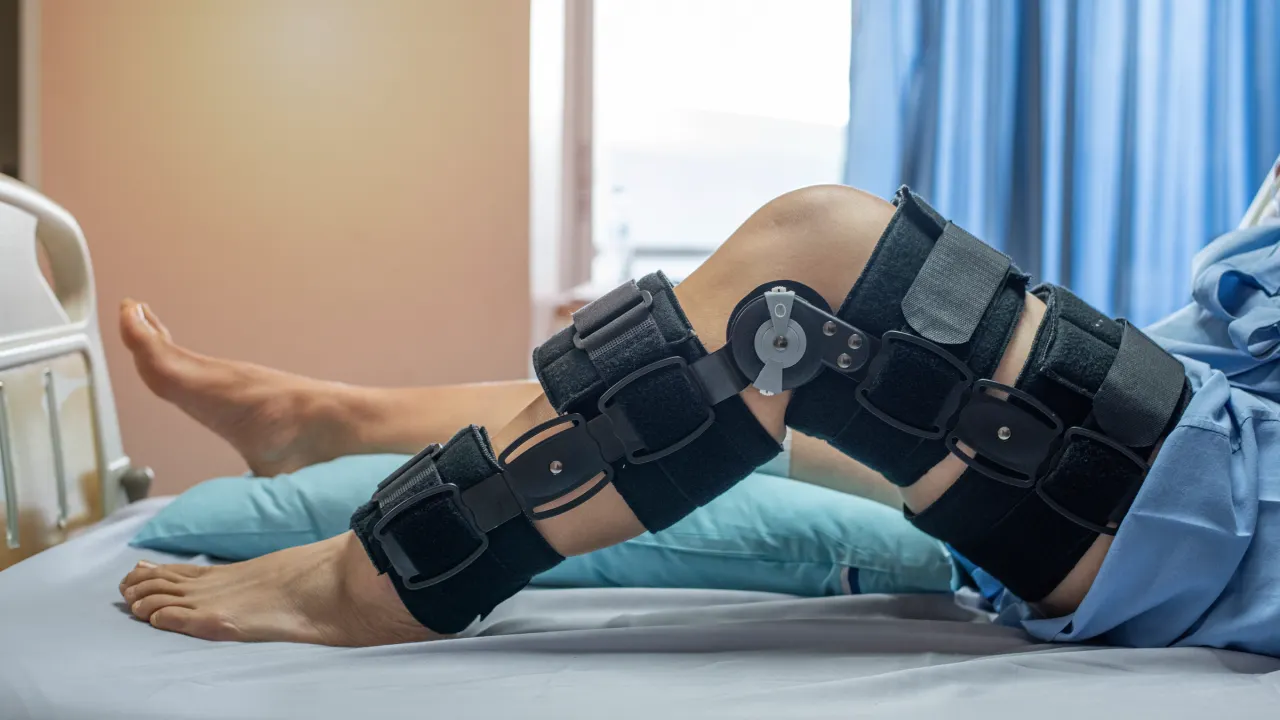
Post-Orthopedic Surgery Rehabilitation is a physiotherapy-based process that helps people work toward improved movement, strength, flexibility, balance, and daily function after orthopedic surgery. At The Bright Physio & Mindfulness Massage in Edmonton, rehabilitation may be appropriate for individuals recovering from procedures involving the knee, hip, shoulder, ankle, spine, or other parts of the musculoskeletal system. Following surgery, people may experience stiffness, muscle weakness, swelling, reduced joint mobility, and difficulty with everyday activities. A rehabilitation plan based on the procedure, healing stage, surgeon’s instructions, and individual abilities can help patients work toward their recovery goals. The process may include guided exercises, movement training, strength development, and functional activity practice, with progress monitored throughout rehabilitation.
What Is Post-Orthopedic Surgery Rehabilitation?
Post-Orthopedic Surgery Rehabilitation refers to a structured rehabilitation process that supports recovery after surgery involving bones, joints, muscles, ligaments, tendons, and other musculoskeletal structures. Orthopedic procedures may be performed to repair an injury, replace a joint, stabilize a fracture, or address a condition affecting movement and function.
Following an operation, patients may need time and guided exercise to rebuild strength, improve joint mobility, develop balance, and resume everyday activities. Post-Orthopedic Surgery Rehabilitation helps address these needs through a progressive plan that follows the surgeon’s restrictions and the patient’s stage of recovery.
The rehabilitation process varies according to the type of surgery, the tissues involved, the patient’s general health, and any restrictions on movement or weight-bearing. Some individuals may initially require gentle movement and basic functional training, while others may progress to resistance exercises, walking practice, balance activities, or task-specific training.
At The Bright Physio & Mindfulness Massage in Edmonton, rehabilitation can focus on practical goals such as walking comfortably, climbing stairs, getting dressed, returning to work, or resuming approved recreational activities. Progress should be monitored by a qualified physiotherapy professional, with exercises adjusted as recovery develops.
Who Can Benefit from Post-Orthopedic Surgery Rehabilitation?
Post-Orthopedic Surgery Rehabilitation may be appropriate for adults recovering from various orthopedic procedures. The rehabilitation plan depends on the surgery performed and the instructions provided by the surgical team.
People Recovering from Joint Replacement Surgery
Individuals who have undergone hip or knee replacement surgery may need help with walking, joint movement, muscle strength, balance, and everyday tasks. Rehabilitation can include approved mobility exercises, gait training, and gradual strengthening.
Patients Recovering from Fracture Repair
Surgery to stabilize a broken bone may involve plates, screws, rods, or other fixation devices. After the surgeon permits movement or weight-bearing, rehabilitation may help address stiffness, muscle weakness, and difficulty using the affected limb.
Individuals Recovering from Shoulder Surgery
People who have undergone rotator cuff repair, shoulder stabilization, or other shoulder procedures may require a gradual progression of movement and strength exercises. The timing and type of exercise must follow the surgeon’s protocol to protect healing tissues.
People Recovering from Knee or Ankle Procedures
After ligament reconstruction, cartilage procedures, or ankle surgery, patients may need support with joint mobility, lower-limb strength, balance, and walking. Weight-bearing and exercise restrictions vary according to the procedure.
Patients Recovering from Spine Surgery
Following certain spinal procedures, rehabilitation may focus on safe movement, posture, walking tolerance, and gradual return to daily activities. Exercises must be consistent with the surgeon’s instructions and any restrictions on bending, lifting, or twisting.
Older Adults Recovering from Orthopedic Procedures
Older adults may need additional support with balance, transfers, walking, and daily tasks following surgery. Rehabilitation goals should reflect their mobility, health status, home environment, and individual recovery needs.
Problems Addressed by Post-Orthopedic Surgery Rehabilitation
Surgery may address an underlying orthopedic problem, but the recovery period can introduce new functional challenges. Post-Orthopedic Surgery Rehabilitation can help patients work on these challenges within medically appropriate limits.
Common concerns include:
- Joint stiffness: Reduced movement in the operated joint after a period of limited activity.
- Muscle weakness: Loss of strength associated with surgery, pain-related guarding, or reduced use of the affected limb.
- Difficulty walking: Changes in walking patterns, reduced balance, or limited tolerance for standing and movement.
- Restricted flexibility: Reduced movement in muscles and surrounding tissues after surgery.
- Swelling and discomfort: Postoperative symptoms that may affect movement and exercise participation.
- Reduced balance and coordination: Difficulty maintaining stability during standing, walking, and changes in direction.
- Challenges with daily activities: Difficulty getting in and out of a chair, climbing stairs, dressing, or completing household tasks.
- Reduced activity tolerance: Fatigue or limited stamina when returning to routines.
- Concerns about safe movement: Uncertainty about which activities are permitted during recovery.
Rehabilitation does not replace surgical follow-up or medical assessment. New or increasing pain, marked swelling, wound changes, fever, calf swelling, chest pain, or shortness of breath should be assessed promptly by an appropriate medical professional. Chest pain or shortness of breath after surgery requires emergency medical attention.
What Does Post-Orthopedic Surgery Rehabilitation Include?
The components of Post-Orthopedic Surgery Rehabilitation depend on the surgical procedure, the patient’s current abilities, and the instructions provided by the surgeon.
Initial Rehabilitation Assessment
An initial assessment may review the type of surgery, the date of the procedure, current symptoms, movement restrictions, mobility aids, and functional concerns. The physiotherapist may assess permitted movement, strength, balance, and walking ability where appropriate.
Range-of-Motion Exercises
Approved movement exercises can help address stiffness and maintain joint mobility. The timing and range of movement must follow the surgical protocol, particularly after procedures involving repaired tendons, ligaments, or other healing structures.
Strengthening Exercises
Progressive exercises may help rebuild strength in the operated area and surrounding muscles. Exercise selection, resistance, and repetitions should reflect the patient’s stage of recovery and any weight-bearing restrictions.
Walking and Mobility Training
Some patients need support with walking patterns, transfers, stair use, and mobility aids. Training may focus on safe movement and gradually increasing activity within permitted limits.
Balance and Coordination Activities
When appropriate, balance exercises can help patients develop stability and coordination during standing and walking. These activities are introduced according to the patient’s mobility and fall risk.
Functional Movement Training
Functional exercises may address activities such as sitting down, standing up, reaching, dressing, or completing household tasks. The goal is to practice movements that are relevant to the patient’s daily routine.
Home Exercise Planning
A physiotherapist may provide an exercise plan for use between appointments. Instructions should explain the permitted exercises, frequency, movement limits, and symptoms that indicate the activity should be stopped or reviewed.
Progress Monitoring
Progress may be reviewed through movement assessments, functional activities, exercise tolerance, and the patient’s ability to manage daily tasks. The rehabilitation plan can then be adjusted in line with clinical findings and surgical instructions.
How the Post-Orthopedic Surgery Rehabilitation Process Works
At The Bright Physio & Mindfulness Massage in Edmonton, patients can ask about the rehabilitation process and the steps involved in arranging physiotherapy after surgery.
Consultation
The process begins with a discussion about the surgery, current concerns, recovery goals, and any difficulties with movement or daily activities. Patients should bring relevant surgical instructions and follow-up information.
Assessment
The physiotherapist reviews the patient’s current function and determines which assessments and movements are appropriate at that stage of recovery. Any restrictions from the surgeon must be considered before exercises are introduced.
Rehabilitation Planning
A rehabilitation plan is developed around the procedure, current abilities, functional goals, and permitted activity level. The plan may include mobility exercises, strengthening, walking practice, balance work, and functional training.
Guided Rehabilitation
Patients perform approved exercises and movement activities under physiotherapy supervision. Exercise intensity and complexity are progressed only when clinically appropriate and consistent with surgical precautions.
Progress Review
The physiotherapist reviews changes in movement, strength, exercise tolerance, and daily function. If progress is slower than anticipated or new concerns arise, the plan may need reassessment or referral to the surgical team.
Home Exercise and Follow-Up
Patients may receive instructions for appropriate exercises between appointments. Follow-up visits can help monitor progress, address difficulties, and update the rehabilitation plan as recovery continues.
Benefits of Post-Orthopedic Surgery Rehabilitation
The purpose of rehabilitation is to help patients work toward safe movement and functional recovery following surgery. Progress varies according to the procedure, health status, adherence to restrictions, and individual healing patterns.
Potential benefits include:
- Improved joint mobility: Approved exercises may help address stiffness and support movement.
- Increased muscle strength: Progressive strengthening can help rebuild strength in muscles affected by surgery or reduced activity.
- Safer walking: Gait training may help patients practice appropriate walking patterns and use mobility aids when needed.
- Improved balance: Suitable exercises may help develop stability during everyday movements.
- Greater functional ability: Task-specific practice may support activities such as standing, climbing stairs, and dressing.
- Gradual return to routine activities: Rehabilitation can help patients work toward appropriate daily, work, and recreational goals.
- Monitoring of recovery: Regular assessment helps identify functional changes and determine whether the plan needs adjustment.
- Education about movement restrictions: Clear instructions can help patients understand which activities are permitted at different stages of recovery.
Rehabilitation cannot guarantee a particular outcome or prevent every postoperative complication. The timing and extent of progress depend on individual clinical factors and the surgical procedure.
Who May Need Post-Orthopedic Surgery Rehabilitation in Edmonton?
Post-Orthopedic Surgery Rehabilitation may serve people recovering from orthopedic procedures across several patient groups.
Joint Replacement Patients
People recovering from hip or knee replacement may need support with mobility, strength, walking, and daily activities.
Sports and Active Individuals
Patients recovering from orthopedic surgery related to sports injuries may work toward a gradual return to approved physical activities. The progression depends on the repaired structures and the surgeon’s return-to-activity criteria.
Working Adults
People recovering from surgery may need to rebuild the movement capacity required for sitting, standing, walking, lifting, or other job-related tasks. Work demands and medical restrictions should inform rehabilitation goals.
Older Adults
Older patients may benefit from functional training that addresses transfers, balance, walking, and daily mobility following surgery.
People With Limited Mobility After Surgery
Patients who have difficulty moving around their home or completing everyday activities may need a rehabilitation plan focused on permitted movement, strength, and functional tasks.
Frequently Asked Questions
What Is Post-Orthopedic Surgery Rehabilitation?
Post-Orthopedic Surgery Rehabilitation is a physiotherapy process that supports movement, strength, balance, and daily function following orthopedic surgery. It may include exercise, mobility training, walking practice, and functional activity training based on the procedure and surgical instructions.
When Should I Start Post-Orthopedic Surgery Rehabilitation?
The start date depends on the procedure, the surgeon’s protocol, and the patient’s medical condition. Some rehabilitation activities begin soon after surgery, while others must wait until specific healing milestones have been reached. Patients should follow their surgical team’s instructions before starting exercises.
How Long Does Post-Orthopedic Surgery Rehabilitation Take?
The duration varies according to the type of surgery, the tissues involved, the patient’s health, and the recovery goals. Some procedures require a relatively short period of supervised rehabilitation, while others involve several months of progressive exercise and functional training.
Can I Attend Physiotherapy After Knee or Hip Replacement Surgery?
Many patients attend physiotherapy following knee or hip replacement surgery. Rehabilitation may include walking practice, approved joint movement, strengthening, balance activities, and functional training. The plan should follow the surgeon’s instructions and the patient’s progress.
What Should I Bring to My First Rehabilitation Appointment?
Bring any relevant surgical instructions, discharge paperwork, follow-up information, a list of current medicines, and details about movement or weight-bearing restrictions. A list of questions about daily activities and exercise limits may also be useful.
Can Rehabilitation Help Me Return to Work or Sports?
Rehabilitation may help patients work toward the physical requirements of their job or chosen activities. Return-to-work and return-to-sport decisions depend on the procedure, functional progress, medical clearance, and the demands of the activity.
Post-Orthopedic Surgery Rehabilitation in Edmonton
The Bright Physio & Mindfulness Massage serves people seeking physiotherapy and rehabilitation support in Edmonton. Patients recovering from orthopedic procedures can contact the clinic to ask about available services, appointment arrangements, and whether the clinic can accommodate their postoperative rehabilitation needs.
Rehabilitation planning should reflect the patient’s surgical procedure, functional concerns, and recovery stage. Patients should follow their surgeon’s restrictions and seek medical advice when symptoms change or complications are suspected.
Why Contact The Bright Physio & Mindfulness Massage?
Choosing a physiotherapy clinic for postoperative care involves checking whether the clinic can address the patient’s procedure, mobility needs, and rehabilitation goals.
When contacting The Bright Physio & Mindfulness Massage, patients can ask about:
- Physiotherapy services available after orthopedic surgery.
- The clinic’s experience with the relevant surgical procedure.
- Assessment and appointment arrangements.
- Exercise planning and progress reviews.
- Coordination with the surgeon or other healthcare professionals when needed.
- Home exercise instructions and follow-up scheduling.
Patients should confirm that the clinic’s available services and the treating physiotherapist’s qualifications match their rehabilitation needs.
Related Services
Depending on the clinic’s service list, patients may also wish to ask about related care, such as
- Knee rehabilitation
- Hip replacement rehabilitation
- Shoulder rehabilitation
- Ankle and foot rehabilitation
- Post-fracture rehabilitation
- Mobility and balance training
- Strengthening and functional exercise
- Sports injury rehabilitation
Contact the clinic to confirm which services are available and appropriate for the patient’s procedure.
Take the Next Step
If you are recovering from orthopedic surgery and having difficulty with movement, strength, balance, or everyday activities, contact The Bright Physio & Mindfulness Massage in Edmonton to discuss your rehabilitation needs.
When contacting the clinic, share the type of surgery you underwent, your approximate surgery date, your current mobility concerns, and any restrictions provided by your surgeon. This information can help the clinic determine the next steps for arranging an assessment.
Contact The Bright Physio & Mindfulness Massage to enquire about Post-Orthopedic Surgery Rehabilitation in Edmonton and discuss the physiotherapy support appropriate for your stage of recovery.
Phone: +1 780-737-1019
Address: 4904 30 Ave #105, Beaumont, Edmonton, AB T4X 3G3, Canada

 +1 (780) 737-1019