Headaches Associated with Musculoskeletal

Headaches Associated with Musculoskeletal Treatment in Edmonton
Headaches can affect concentration, sleep, work, physical activity, and everyday routines. In some cases, they are associated with problems involving the neck, shoulders, upper back, muscles, joints, or posture. Headaches Associated with Musculoskeletal conditions may occur alongside neck stiffness, muscle tension, restricted movement, or discomfort around the base of the skull. At The Bright Physio & Mindfulness Massage in Edmonton, care focuses on assessing movement-related concerns and identifying factors that may contribute to headache symptoms.
Physiotherapy and appropriate massage approaches may help address muscle tension, movement limitations, and posture-related strain when these factors are associated with headaches. An assessment can help determine whether musculoskeletal factors may be involved and whether physiotherapy or massage is suitable for the person’s symptoms.
What Are Headaches Associated with Musculoskeletal Conditions?
Headaches associated with musculoskeletal conditions are headaches that occur alongside problems affecting muscles, joints, connective tissues, or movement in areas such as the neck and upper back. One recognized example is a cervicogenic headache, which originates from a problem involving the cervical spine or surrounding structures.
Musculoskeletal factors may contribute to headaches through muscle tension, reduced neck mobility, prolonged postures, or irritation involving structures in the upper neck. Some people notice symptoms after working at a computer for extended periods, driving for long hours, or performing activities that place repeated strain on the neck and shoulders.
Headaches Associated with Musculoskeletal concerns can vary in their location, intensity, frequency, and associated symptoms. Some people notice discomfort that begins around the neck and travels towards the back of the head, temples, or forehead. Others report stiffness, tenderness, or difficulty turning their head.
Not every headache is caused by muscles or joints. Migraine, tension-type headaches, medication-related headaches, and other medical conditions can produce overlapping symptoms. A proper assessment is important to identify possible contributing factors and determine whether physiotherapy or massage may be appropriate.
Who Can Benefit from Assessment and Care?
People experiencing headaches alongside neck, shoulder, or upper-back concerns may benefit from an assessment at The Bright Physio & Mindfulness Massage in Edmonton.
Office Workers and Remote Employees
People who spend extended periods working at a desk may develop neck stiffness, shoulder tension, and discomfort associated with prolonged positioning. Adjustments to workstation setup, movement habits, and appropriate exercises may help address contributing factors.
Drivers and Commuters
Long driving periods can involve sustained neck positioning and limited movement. Individuals who notice headaches alongside neck discomfort after driving may benefit from an assessment of their posture, mobility, and muscle function.
Students
Extended study sessions, laptop use, and prolonged sitting may contribute to neck and shoulder strain. Students who develop recurring headaches alongside these symptoms can discuss their concerns with a qualified physiotherapy provider.
People With Restricted Neck Movement
Individuals who find it difficult to turn their head comfortably or who experience stiffness around the upper neck may have musculoskeletal factors contributing to their headaches. An assessment can help identify movement limitations and possible treatment options.
People With Recurrent Headaches
Those who repeatedly experience headaches alongside muscle tightness or neck discomfort may benefit from an assessment to determine whether musculoskeletal factors play a role. Headaches that are new, worsening, or unexplained should also be assessed by an appropriate healthcare professional.
Common Problems Associated with Musculoskeletal Headaches
Headaches Associated with Musculoskeletal conditions may occur alongside several physical concerns that affect daily activities.
Common concerns include:
- Neck stiffness: Difficulty turning, bending, or maintaining comfortable neck movement.
- Shoulder tension: Tightness around the shoulders and upper trapezius muscles.
- Upper-back discomfort: Muscle fatigue or stiffness around the upper thoracic region.
- Posture-related strain: Discomfort associated with sustained sitting, screen use, or repetitive positioning.
- Tenderness around the base of the skull: Sensitivity in the muscles and surrounding tissues at the back of the head.
- Reduced movement: Difficulty maintaining comfortable positions while working, driving, or completing household tasks.
- Recurring discomfort: Headaches that appear alongside neck or shoulder symptoms during certain activities.
These symptoms do not automatically indicate a musculoskeletal cause. Their pattern, duration, associated symptoms, and medical history all matter when determining the appropriate next steps.
Features and Services That May Be Included in Care
At The Bright Physio & Mindfulness Massage, the appropriate approach depends on the person’s symptoms, assessment findings, health history, and functional needs.
Physiotherapy Assessment
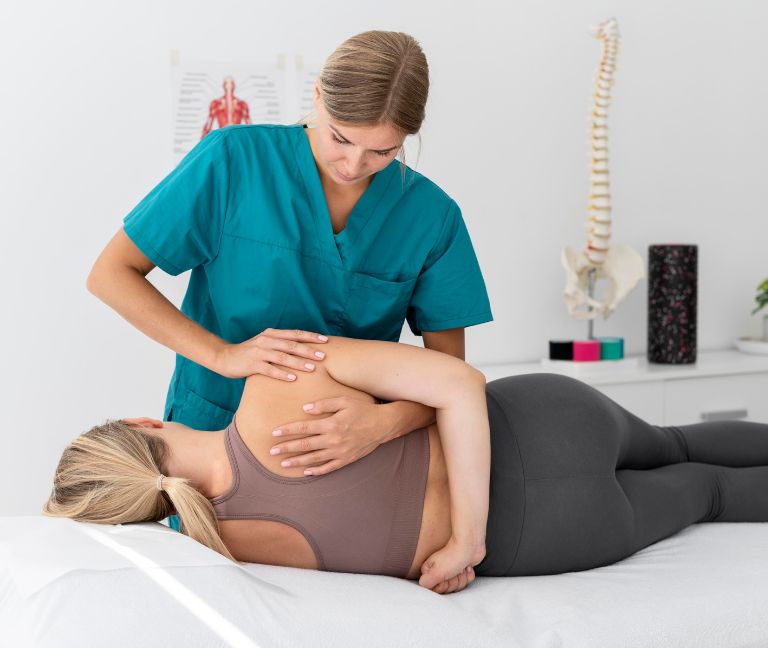
A physiotherapy assessment may include a discussion of headache patterns, symptom triggers, previous injuries, daily activities, and relevant health history. The practitioner may also assess neck movement, shoulder mobility, posture, muscle function, and other relevant physical findings.
Manual Therapy
When clinically appropriate, a physiotherapist may use hands-on techniques to address movement restrictions or musculoskeletal discomfort. The choice of technique depends on the assessment and the person’s tolerance.
Therapeutic Massage
Massage may be considered when muscle tension around the neck and shoulders appears to contribute to symptoms. The practitioner should assess whether massage is suitable and avoid techniques that may aggravate the person’s condition.
Posture and Ergonomic Advice
Practical advice may include reviewing desk height, monitor positioning, sitting habits, driving posture, and opportunities to change position throughout the day. The aim is to identify avoidable sources of physical strain.
Movement and Exercise Planning
Depending on the assessment, a physiotherapist may recommend suitable mobility exercises, strengthening activities, or movement breaks. Exercises should reflect the person’s abilities, symptoms, and clinical findings.
Progress Reviews
Follow-up appointments may help assess changes in headache frequency, neck mobility, muscle discomfort, and daily function. The plan can be adjusted according to the person’s response and any new findings.
How the Assessment and Care Process Works
The process for Headaches Associated with Musculoskeletal concerns at The Bright Physio & Mindfulness Massage in Edmonton may include the following steps.
1. Initial Consultation
The practitioner discusses the person’s symptoms, when the headaches began, how often they occur, possible triggers, previous injuries, and their effect on daily activities.
2. Physical Assessment
Where appropriate, the assessment may examine neck and shoulder movement, posture, muscle tenderness, and other physical factors. The practitioner also considers whether the symptoms suggest a need for medical evaluation.
3. Care Planning
Based on the findings, the practitioner discusses suitable options. These may include physiotherapy, appropriate massage, exercise, activity adjustments, or referral to another healthcare provider.
4. Treatment Sessions
If treatment is appropriate, sessions may involve selected hands-on techniques, movement exercises, posture advice, or other interventions that address identified musculoskeletal concerns.
5. Progress Review
The practitioner reviews changes in symptoms, movement, activity tolerance, and everyday function. If symptoms persist or change unexpectedly, further assessment or referral may be necessary.
6. Advice for Daily Activities
The person may receive practical suggestions for managing prolonged sitting, screen use, driving, and other activities that appear to contribute to physical strain.
The number of appointments and the type of care required vary from person to person.
Potential Benefits of Addressing Musculoskeletal Contributing Factors
When headaches are associated with musculoskeletal dysfunction, addressing relevant physical factors may help with:
- Reducing neck and shoulder tension.
- Improving comfortable neck movement.
- Identifying posture-related strain during work or daily activities.
- Building awareness of activities that trigger symptoms.
- Developing appropriate mobility and strengthening routines.
- Managing physical discomfort during desk work, driving, or household tasks.
- Tracking headache patterns and recognizing when further medical assessment is needed.
Results depend on the underlying cause of the headaches, the person’s health, and their response to care. Physiotherapy and massage do not treat every type of headache, and no particular outcome can be guaranteed.
Who May Seek This Service in Edmonton?
Assessment for musculoskeletal-related headaches may be relevant to people from different backgrounds, including:
- Office employees and remote workers.
- Students and people who study for extended periods.
- Drivers and commuters.
- Individuals whose daily activities involve repeated neck or shoulder movements.
- People with headaches accompanied by upper-back discomfort.
- Individuals who notice recurring neck stiffness alongside headaches.
- People who need advice about posture, movement, or physical activity.
The suitability of treatment depends on the individual’s symptoms and assessment findings. People with a diagnosed headache condition should continue to follow advice from their healthcare provider.
Frequently Asked Questions
1. What Are Headaches Associated with Musculoskeletal Conditions?
These are headaches that occur alongside problems involving muscles, joints, or other structures, often around the neck and upper back. Cervicogenic headaches are one example. A clinical assessment is needed to determine whether musculoskeletal factors may be contributing to a person’s symptoms.
2. Can Neck Tension Contribute to Headaches?
Yes. Neck muscle tension, restricted movement, and certain cervical spine conditions may contribute to headaches in some people. However, headaches can have several causes, so neck tension alone does not confirm the diagnosis.
3. Can Physiotherapy Help with Musculoskeletal-Related Headaches?
Physiotherapy may help some people when headaches are associated with neck dysfunction or other musculoskeletal factors. Depending on the assessment, care may include movement exercises, manual therapy, strengthening, and advice about daily activities. The appropriate approach depends on the diagnosis and individual circumstances.
4. Is Massage Suitable for Headaches Associated with Neck and Shoulder Tension?
Massage may help address muscle tension in selected cases. It may not be suitable for every headache condition, and forceful neck manipulation should not be assumed to be appropriate. A qualified practitioner can assess whether massage is suitable based on the symptoms and health history.
5. When Should I Seek Medical Attention for a Headache?
Seek emergency medical care for a sudden, extremely severe headache, a headache accompanied by new weakness, confusion, difficulty speaking, loss of consciousness, or other serious neurological symptoms. Headaches accompanied by fever and a stiff neck, or those that occur after a significant head injury, also require urgent assessment. New, progressive, persistent, or unexplained headaches should be assessed by a healthcare professional.
6. How Many Sessions May Be Needed?
The number of appointments depends on the cause of the headaches, symptom frequency, physical findings, and response to care. Some people may need only an assessment and advice, while others may require follow-up appointments. The practitioner can discuss a suitable schedule after evaluating the person’s concerns.
7. Can Poor Posture Cause Headaches?
Prolonged or uncomfortable positioning may contribute to neck and shoulder strain in some people. However, posture is only one possible factor, and not all headaches are posture-related. Regular movement, appropriate workstation adjustments, and assessment of recurring symptoms may help identify relevant contributors.
8. Where Can I Seek Care for Musculoskeletal-Related Headaches in Edmonton?
People in Edmonton can contact The Bright Physio & Mindfulness Massage to ask about assessment options for headaches associated with neck, shoulder, and upper-back concerns. The clinic can explain which services may be appropriate based on the symptoms and available care options.
Service Areas
The Bright Physio & Mindfulness Massage serves clients in Edmonton, Alberta. People seeking assessment for headaches associated with musculoskeletal concerns can contact the clinic to confirm its current service area, appointment availability, and whether their symptoms are suitable for physiotherapy or massage.
Why Consider the Bright Physio & Mindfulness Massage?
When choosing a clinic for Headaches Associated with Musculoskeletal concerns, it is important to consider the practitioner’s qualifications, the assessment process, the services available, and how treatment decisions are made.
At The Bright Physio & Mindfulness Massage in Edmonton, prospective clients can ask about:
- Assessment of neck, shoulder, and upper-back concerns.
- The availability of physiotherapy and massage services.
- How the practitioner determines whether musculoskeletal factors may contribute to headaches.
- Treatment options that reflect assessment findings.
- Advice about movement, posture, and everyday activities.
- Circumstances in which medical evaluation or referral may be necessary.
Clients should confirm the clinic’s current services, practitioner credentials, fees, and appointment availability directly with the business.
Related Conditions and Services
People seeking care for musculoskeletal-related headaches may also wish to ask about assessment and treatment options for related concerns, where available:
- Neck pain and stiffness.
- Shoulder muscle tension.
- Upper-back discomfort.
- Posture-related strain.
- Restricted neck mobility.
- Muscle tightness associated with prolonged sitting.
- Physiotherapy assessment.
- Therapeutic massage.
The appropriate service depends on the underlying concern. A headache should not automatically be treated as a muscle problem without considering other possible causes.
Contact The Bright Physio & Mindfulness Massage in Edmonton.
If you experience recurring headaches alongside neck stiffness, shoulder tension, or upper-back discomfort, consider contacting The Bright Physio & Mindfulness Massage in Edmonton to ask about an assessment.
When making an appointment, describe where the headache occurs, how frequently it appears, how long it lasts, and whether it is accompanied by other symptoms. This information can help the practitioner determine whether a musculoskeletal assessment may be appropriate or whether medical evaluation should come first.
Take the Next Step
Contact The Bright Physio & Mindfulness Massage to enquire about assessment options for Headaches Associated with Musculoskeletal concerns in Edmonton.
Phone: +1 780-737-1019
Address: 4904 30 Ave #105, Beaumont, Edmonton, AB T4X 3G3, Canada

 +1 (780) 737-1019