Ligament Injuries
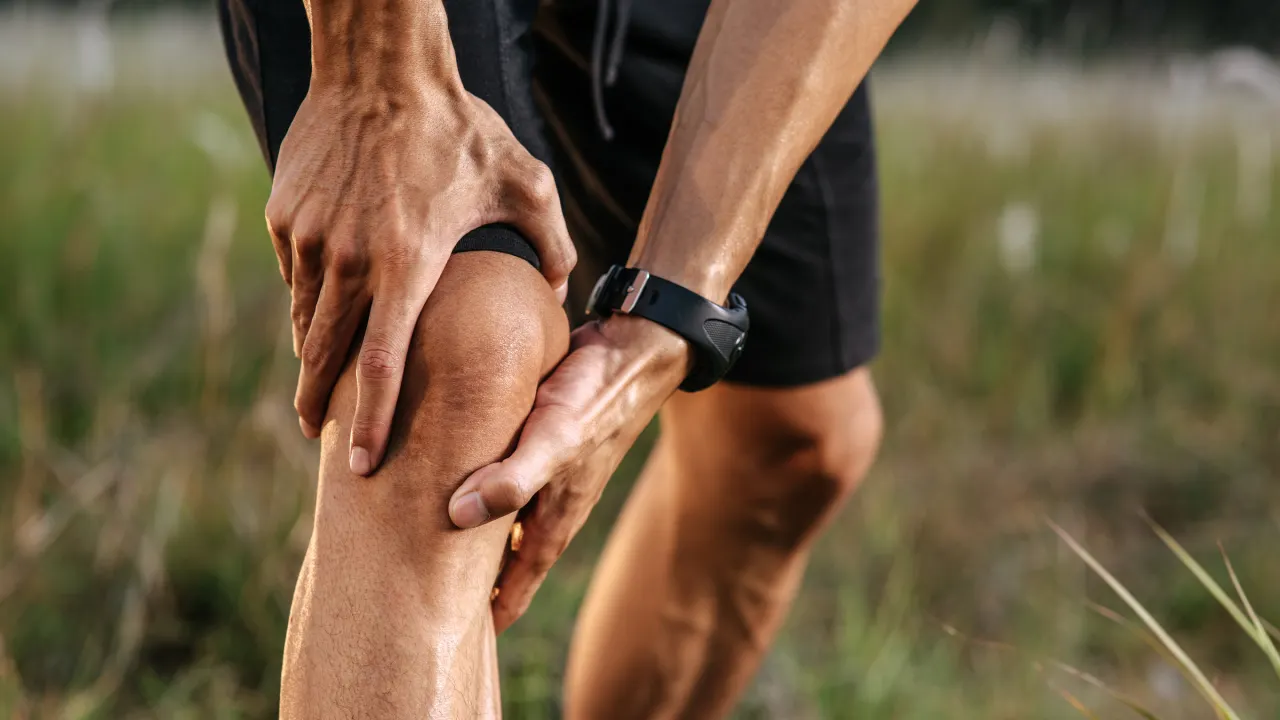
Ligament Injuries Treatment in Edmonton
Ligament injuries can affect joint stability, movement, walking, exercise, and everyday activities. At The Bright Physio & Mindfulness Massage, physiotherapy care for ligament injuries focuses on assessing movement difficulties, identifying functional limitations, and developing a care plan based on the individual’s symptoms and physical needs.
People seeking care for Ligament Injuries in Edmonton may include those who have experienced a sports injury, a sudden twist, a fall, or an accident. Physiotherapy may help address joint stiffness, swelling, reduced mobility, and difficulties with balance or weight-bearing. The care process depends on the affected ligament, the severity of the injury, and the person’s overall health. Early assessment can help determine suitable next steps and whether further medical evaluation is required.
What Are Ligament Injuries?
Ligaments are strong bands of connective tissue that connect bones to one another and help stabilize joints. They support controlled movement and help prevent joints from moving beyond their normal range.
Ligament Injuries occur when these tissues stretch excessively or develop partial or complete tears. They commonly affect the knee, ankle, wrist, shoulder, and elbow. The severity can range from mild stretching to a significant tear that affects joint stability.
Ligament injuries are often classified into three grades:
- Grade 1 – Mild injury: The ligament is stretched, with minor tissue damage and limited joint instability.
- Grade 2 – Moderate injury: The ligament has a partial tear, which may cause swelling, tenderness, and difficulty moving the joint.
- Grade 3 – Severe injury: The ligament is completely torn, potentially causing considerable joint instability and difficulty bearing weight or performing everyday movements.
Treatment depends on the injured ligament, the extent of tissue damage, and the person’s symptoms. Some injuries can be managed with conservative care, while others may require imaging, assessment by a physician, or surgical consultation.
Who Can Benefit from Physiotherapy for Ligament Injuries?
Physiotherapy may be appropriate for individuals experiencing movement limitations or functional difficulties following a ligament injury. At The Bright Physio & Mindfulness Massage in Edmonton, an assessment can help identify the person’s needs and determine whether physiotherapy is an appropriate option.
Athletes and Sports Participants
Running, jumping, pivoting, and sudden changes in direction can place considerable stress on joints. Athletes may experience knee or ankle ligament injuries during football, basketball, soccer, volleyball, and other physical activities.
Physiotherapy may focus on restoring joint movement, improving muscle strength, developing balance, and preparing for a gradual return to sport.
People Who Have Experienced Falls or Accidents
A slip, fall, or sudden twisting movement can stretch or tear a ligament. People may notice swelling, tenderness, bruising, or difficulty moving the affected joint.
Physiotherapy may form part of a recovery plan once the injury has been assessed and the appropriate level of activity has been established.
Workers With Physically Demanding Responsibilities
Jobs involving lifting, climbing, repetitive movements, or extended periods of standing can become difficult following a joint injury. Physiotherapy may help address limitations that affect work-related tasks and daily movement.
Individuals Recovering from Knee or Ankle Injuries
Knee and ankle ligaments contribute to joint stability during walking, stair climbing, turning, and standing. Following an injury, a person may notice that the joint feels weak, stiff, or unstable.
A physiotherapy assessment can help identify movement limitations and determine suitable exercises or other care options.
People Recovering After Ligament Surgery
Some individuals require surgery for significant ligament tears. Physiotherapy may form part of their post-operative rehabilitation, following the surgeon’s instructions and any applicable movement or weight-bearing restrictions.
Common Problems Associated with Ligament Injuries
Ligament damage can affect more than the injured tissue itself. Pain, swelling, reduced movement, and changes in the way a person walks or performs daily tasks may also occur.
Common problems include:
- Joint swelling: Inflammation around the injured area may make movement uncomfortable.
- Tenderness: The affected joint may be sensitive to pressure or movement.
- Reduced range of motion: Bending, straightening, twisting, or rotating the joint may become difficult.
- Joint instability: The joint may feel as though it could give way during movement.
- Muscle weakness: Reduced activity following an injury may contribute to weakness around the affected joint.
- Balance difficulties: An ankle or knee injury may affect coordination and stability.
- Difficulty with daily activities: Walking, climbing stairs, exercising, lifting, or standing for extended periods may become challenging.
- Reduced sports performance: Changes in strength, coordination, and confidence may interfere with running, jumping, or changing direction.
The symptoms and functional effects vary according to the injured ligament and the extent of the damage. A proper assessment is important because fractures, tendon injuries, and other joint conditions can produce similar symptoms.
Types of Ligament Injuries
Knee Ligament Injuries
The knee contains several ligaments that help maintain stability during movement.
Common knee ligament injuries include:
- Anterior Cruciate Ligament (ACL) injuries: Often associated with sudden stops, pivots, or changes in direction.
- Posterior Cruciate Ligament (PCL) injuries: May occur following a direct impact to the knee or other traumatic events.
- Medial Collateral Ligament (MCL) injuries: Often involve stress to the inner side of the knee.
- Lateral Collateral Ligament (LCL) injuries: Affect the ligament on the outer side of the knee.
Depending on the severity, care may include activity modification, progressive strengthening, balance exercises, movement training, or surgical consultation.
Ankle Ligament Injuries
Ankle ligament injuries frequently occur when the foot rolls or twists unexpectedly. They are common during sports, walking on uneven surfaces, and accidental falls.
Symptoms may include swelling, bruising, tenderness, and difficulty bearing weight. Physiotherapy may address ankle mobility, calf and surrounding muscle strength, balance, and walking mechanics as appropriate.
Wrist Ligament Injuries
A fall onto an outstretched hand or a sudden twisting force may damage the ligaments in the wrist.
People may experience swelling, discomfort, reduced grip strength, or difficulty turning the wrist. Assessment can help determine whether physiotherapy is suitable or whether medical imaging and further investigation are needed.
Shoulder Ligament Injuries
Shoulder ligament injuries can occur following a fall, a direct impact, or an event that places excessive force on the shoulder joint.
Symptoms may include tenderness, restricted movement, and difficulty lifting or rotating the arm. Care depends on the specific structures affected and whether other shoulder injuries are present.
Elbow Ligament Injuries
Ligaments in the elbow help stabilize the joint during lifting, throwing, and other arm movements. Injuries may result from falls, direct trauma, or repetitive stress.
Assessment may focus on joint movement, strength, and functional limitations before suitable rehabilitation activities are recommended.
How Physiotherapy for Ligament Injuries Works
At The Bright Physio & Mindfulness Massage, physiotherapy for Ligament Injuries in Edmonton may involve several stages, depending on the injury and the individual’s needs.
1. Initial Consultation
The process begins with a discussion about the injury, when it occurred, current symptoms, medical history, and activities affected by the condition. Information about previous injuries and current medical care can also help inform the assessment.
2. Physical Assessment
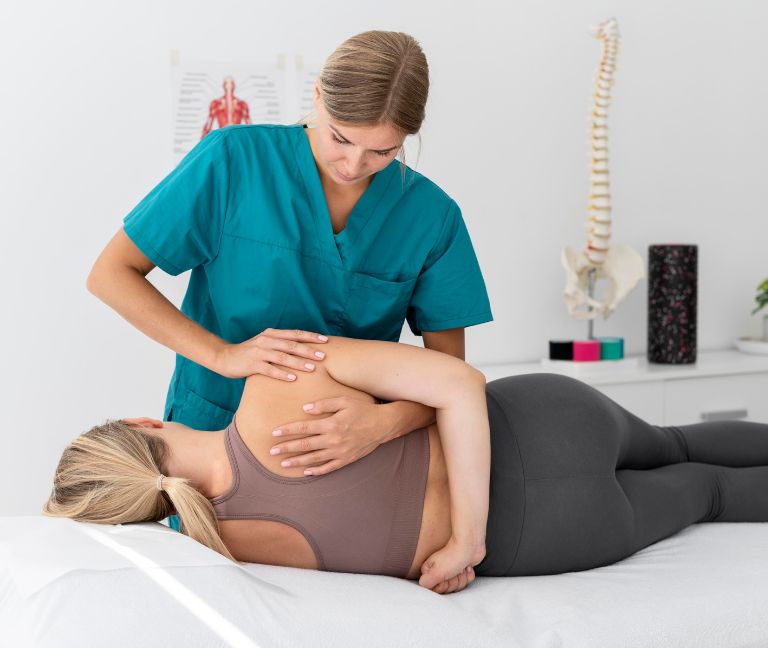
The physiotherapist may assess joint movement, swelling, strength, balance, walking patterns, and functional limitations. Specific assessment methods depend on the injured area and the person’s symptoms.
If the findings suggest a fracture, a significant ligament tear, or another condition requiring medical investigation, further evaluation may be recommended before rehabilitation continues.
3. Care Planning
Based on the assessment, the physiotherapist can establish suitable rehabilitation goals and determine which activities may be appropriate. The plan may account for injury severity, work responsibilities, sports participation, mobility, and any restrictions set by a physician or surgeon.
4. Therapeutic Exercises
Depending on the injury, the rehabilitation plan may include:
- Gentle range-of-motion exercises
- Progressive muscle-strengthening activities
- Balance and coordination exercises
- Joint stability training
- Functional movement practice
- Gradual activity progression
Exercises should match the stage of recovery and should not place excessive stress on the injured ligaments.
5. Progress Reviews
Progress may be reviewed through changes in swelling, movement, strength, balance, walking ability, and tolerance for everyday tasks. Exercises and activity levels can be adjusted according to the person’s response and clinical findings.
6. Return-to-Activity Planning
For people returning to sports, work, or physically demanding activities, rehabilitation may include gradual increases in strength, coordination, and task-specific movement. Return-to-sport decisions should consider the injury’s severity, functional testing, and medical recommendations where applicable.
Benefits of Physiotherapy for Ligament Injuries
Physiotherapy may contribute to recovery by addressing movement restrictions and functional difficulties associated with ligament damage. The results depend on the type and severity of the injury, adherence to the rehabilitation plan, and other health factors.
Potential aims include:
- Improved joint movement: Exercises may help address stiffness and restrictions in the affected joint.
- Increased muscle strength: Progressive strengthening may support the muscles surrounding the injured area.
- Improved balance and coordination: Targeted activities may help address instability, particularly following ankle and knee injuries.
- Greater functional capacity: Rehabilitation may help people work toward walking, climbing stairs, lifting, and other everyday activities.
- Movement confidence: Gradual practice can help individuals prepare for activities within their current physical capacity.
- Preparation for sports participation: Sport-specific rehabilitation may help address the strength, coordination, and movement demands of returning to play.
- Support during post-operative rehabilitation: Physiotherapy may help individuals follow an appropriate progression after ligament surgery, subject to medical restrictions.
Physiotherapy cannot guarantee a particular recovery time or outcome. Severe ligament tears may require additional medical care, and some injuries need surgical treatment.
Exercises Commonly Used During Ligament Rehabilitation
Exercise selection depends on the affected ligament, injury grade, symptoms, and stage of recovery. Exercises should be introduced at a suitable pace and modified if they cause increased swelling, instability, or significant discomfort.
Examples may include:
Range-of-Motion Exercises
Gentle, controlled movements can help address joint stiffness when permitted by the injury’s care plan. The type and extent of movement depend on the injured structure.
Strengthening Exercises
Exercises for surrounding muscles may help support joint function. Examples can include quadriceps strengthening for certain knee injuries or calf strengthening during ankle rehabilitation.
Balance Exercises
Balance training may be included following selected ankle and knee injuries. Activities may progress from stable standing positions to more demanding tasks as appropriate.
Functional Movement Training
Practicing activities such as controlled sit-to-stand movements, stair climbing, and walking may help prepare individuals for daily routines.
Progressive Sports Drills
Athletes may eventually work on controlled running, jumping, landing, or direction changes when clinically appropriate. These activities should not be introduced before the injury is ready for the added demands.
Do not begin demanding exercises for a suspected significant ligament tear without appropriate assessment. A joint that is severely swollen, deformed, unstable, or unable to bear weight needs prompt medical evaluation.
When Should You Seek Medical Assessment for a Ligament Injury?
Not every ligament injury requires surgery, but some injuries need prompt investigation. Seek urgent medical assessment after an injury if you experience:
- Inability to bear weight or walk
- Severe or rapidly increasing swelling
- A visibly deformed joint
- A popping sensation followed by substantial instability or swelling
- Numbness, unusual coldness, or colour changes in the affected limb
- Severe pain following a fall, collision, or direct impact
A clinician may recommend an X-ray to assess for a fracture or an MRI to investigate certain soft-tissue injuries. The appropriate investigation depends on the symptoms and clinical findings.
Once serious injury has been ruled out or an appropriate treatment plan has been established, physiotherapy may form part of the recovery process.
Ligament Injuries in Edmonton: Care at The Bright Physio & Mindfulness Massage
People seeking physiotherapy for Ligament Injuries in Edmonton can contact The Bright Physio & Mindfulness Massage to ask about assessment and rehabilitation options.
The appropriate care plan depends on the affected joint, the nature of the injury, current symptoms, and any medical restrictions. The clinic can discuss its available physiotherapy services and help determine the appropriate next step based on the individual’s circumstances.
Whether a ligament injury affects the knee, ankle, wrist, shoulder, or elbow, an assessment can help identify functional limitations and establish suitable rehabilitation goals.
Frequently Asked Questions
1. What are the common signs of Ligament Injuries?
Common signs include swelling, tenderness, bruising, restricted joint movement, difficulty bearing weight, and a feeling of instability. Symptoms vary according to the affected ligament and injury severity. Significant swelling or an inability to walk warrants prompt medical assessment.
2. Can physiotherapy help with Ligament Injuries?
Physiotherapy may help address joint stiffness, muscle weakness, balance difficulties, and movement limitations associated with ligament injuries. The appropriate approach depends on the injury’s severity. Some injuries require medical management or surgery before rehabilitation can progress.
3. How long does recovery from a ligament injury take?
Recovery time varies. Mild injuries may improve over several weeks, while moderate or severe tears can take several months or longer, particularly when surgery is required. The affected ligament, injury grade, overall health, and rehabilitation progress all influence the timeline.
4. Do all Ligament Injuries require surgery?
No. Many mild and moderate ligament injuries can be managed without surgery. However, some complete tears, particularly those associated with significant joint instability or additional injuries, may require surgical assessment. A physician or appropriate clinician can help determine the available options.
5. When can I return to sports after a ligament injury?
Return to sports depends on the injured ligament, the extent of tissue damage, joint stability, strength, balance, and the demands of the sport. Athletes should follow their rehabilitation plan and medical recommendations rather than returning solely because pain or swelling has decreased.
Service Areas
The Bright Physio & Mindfulness Massage serves clients seeking physiotherapy services in Edmonton. People living or working in Edmonton who have concerns about a ligament injury can contact the clinic to ask about its location, appointment availability, and current service area.
For those travelling from nearby communities, confirm service availability and appointment details directly with the clinic before visiting.
Why Contact The Bright Physio & Mindfulness Massage?
When seeking care for Ligament Injuries in Edmonton, it is important to find out whether the clinic’s services match your condition and rehabilitation needs.
The Bright Physio & Mindfulness Massage can discuss the physiotherapy services it provides, the assessment process, and potential next steps for people experiencing movement difficulties following an injury.
Before booking, you can ask about:
- Assessment procedures for your affected joint
- Physiotherapy options for your injury
- Rehabilitation exercises and activity restrictions
- Post-operative physiotherapy, if applicable
- Appointment availability and service details
Contact the clinic directly for current information about its practitioners, qualifications, fees, and appointment arrangements.
Related Services
Depending on the clinic’s current service list, related pages may include:
- Knee Injury Physiotherapy
- Ankle Sprain Rehabilitation
- Sports Injury Physiotherapy
- Post-Surgical Rehabilitation
- Joint Mobility and Strengthening
- Balance and Coordination Training
- Shoulder Injury Physiotherapy
These services address different movement and rehabilitation needs. The appropriate option depends on the injury and the findings of an assessment.
Get started
If a ligament injury is affecting your movement, work, exercise, or daily activities, contact The Bright Physio & Mindfulness Massage in Edmonton to ask about physiotherapy assessment and rehabilitation.
Our clinic can explain its available services, discuss appointment arrangements, and help you identify the next step for your situation. If the injury involves severe swelling, deformity, substantial instability, or an inability to bear weight, seek medical assessment promptly rather than waiting for a routine physiotherapy appointment.
Phone: +1 780-737-1019
Address: 4904 30 Ave #105, Beaumont, Edmonton, AB T4X 3G3, Canada

 +1 (780) 737-1019