
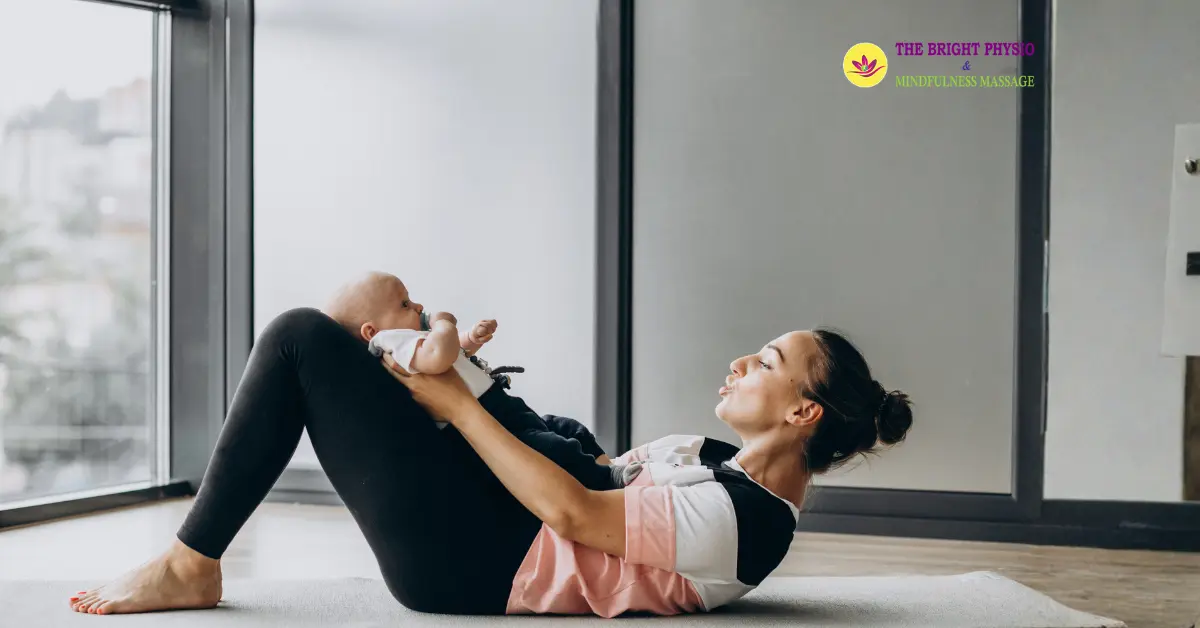
When to Seek Pelvic Floor in Beaumont Therapy After Childbirth
Giving birth is a monumental physical feat. Whether you delivered vaginally or via cesarean section, your pelvic floor muscles, the hammock of muscles supporting your bladder, uterus, and bowels, have undergone immense stretching and strain. Restoring this critical foundation is essential for long-term health, physical stability, and comfort.
This complete guide delivers a clinically backed, realistic roadmap to safely rehabilitating your pelvic floor, stopping leaks, and reclaiming your core strength.
When Can You Safely Start Pelvic Floor Exercises After Birth?
You can safely begin gentle, sub-maximal pelvic floor activations within 24 to 48 hours after an uncomplicated vaginal birth, provided you feel ready. If you experienced severe tearing or had a C-section, wait for explicit clearance from your healthcare provider, typically around your six-week postpartum checkup.
The old advice of waiting completely until six weeks postpartum often slows down the initial healing process. Early, gentle movement increases blood flow to the perineum, which actually speeds up tissue repair, helps reduce localized swelling, and initiates early nerve re-education. However, “early exercise” at this stage does not mean intense pushing or straining; it means quiet, intentional breathwork.
Initial Safe Exercises (Days 1–14)
- The Connection Breath: Inhale deeply, allowing your belly and pelvic floor to fully expand and relax. As you exhale naturally, gently draw up your pelvic floor muscles as if trying to stop the flow of urine.
- Sub-Maximal Holds: Contract the muscles at only 20% to 30% of your maximum effort. Hold for two to three seconds, then focus entirely on a complete release.
- Circulatory Ankle Pumps: Pump your ankles up and down while resting to encourage systemic blood circulation and prevent blood clots.
Signs to Stop Immediately
- An abrupt increase in vaginal bleeding (lochia).
- Sharp, localized pelvic pain or throbbing at stitch sites.
- A distinct sensation of pressure or heaviness in the vagina, which can indicate that the physical load is currently too high for your healing tissues.
The Correct Way to Do a Postpartum Kegel
A correct postpartum Kegel requires an internal lift-and-squeeze motion coordinated with your breath, followed by a total, conscious relaxation of the muscles. Avoid squeezing your glutes, gripping your inner thighs, or holding your breath, as these common errors place counterproductive pressure on your healing pelvic floor.
Many individuals perform Kegels incorrectly by bearing down instead of lifting, which can worsen tissue laxity or pelvic organ prolapse. Think of the pelvic floor as an elevator. Your goal is to close the elevator doors and lift the carriage up to the first or second floor, hold it steady, and then let it descend completely back to the basement.
Mastering the True Pelvic Floor Isolation
To truly isolate these deep muscles, find a comfortable, supported position, either lying on your side or sitting slightly forward on a firm chair.
- Front Isolation: Visualize stopping the flow of midstream urine without tensing your abdomen.
- Back Isolation: Focus on the muscles used to suppress gas. Isolating the posterior pelvic floor often triggers a stronger, more intuitive contraction for recent mothers.
- The Full Co-Contraction: Combine both visual cues, drawing the perineum inward and upward toward your belly button.
Optimizing Your Routine
- Incorporate Endurance Holds: Build up to holding a gentle contraction for 8 to 10 seconds while breathing normally. This trains the slow-twitch muscle fibers responsible for daily bladder control.
- Practice Fast Coils: Perform quick, one-second flick contractions to train the fast-twitch muscle fibers. These are the fibers that react instantly when you laugh, sneeze, or cough.
- Commit to Full Relaxation: Spend just as much time consciously relaxing the muscle as you do contracting it. A tight, hypertonic muscle is just as weak and dysfunctional as a loose one.
Rebuilding the Core: Beyond Isolated Pelvic Floor Exercises
True postpartum recovery requires integrating pelvic floor exercises with deep abdominal training, specifically targeting the transversus abdominis muscle. Isolating the pelvic floor is highly beneficial, but linking it directly to your global core system ensures your body can handle everyday functional loads, lifting, and exercise.
The pelvic floor does not function in a vacuum; it acts as the baseline foundation of your deep core canister. The top of this canister is your diaphragm, the front and sides are your transversus abdominis, the back consists of the multifidus muscles, and the bottom is the pelvic floor. When you inhale, the diaphragm and pelvic floor descend together. When you exhale, they lift together.
- The Diaphragm: This is your main breathing muscle, located right under your lungs.
- The Front & Sides (Transversus Abdominis): This acts like a natural corset wrapped around your waist, pulling your belly flat.
- The Back Wall (Multifidus Muscles): These are the deep, tiny muscles that support your spine.
- The Floor (Pelvic Floor): This is the muscular hammock at the very bottom that holds up your bladder, uterus, and bowels.
Essential Co-Activation Progressions
Once you can isolate your pelvic floor while resting, you must teach it to work in tandem with your moving body. Start with simple, low-impact movements on a mat:
- The Supine Pelvic Tilt: Lie on your back with knees bent. Exhale, gently engage your pelvic floor, draw your lower belly inward, and press your lower back flat into the mat. Inhale to fully release.
- Supported Glute Bridges: Squeeze your glutes and press your hips upward while simultaneously exhaling and lifting your pelvic floor. This builds strength across the entire posterior chain.
- Clamshells: Lie on your side and open your top knee while maintaining a stable pelvis and a lightly supported deep core.
If you struggle to feel these connections, experience lower back instability, or suspect you have diastasis recti (a wider-than-normal separation of the abdominal muscles), seeking specialized evaluation can make a massive difference. Partnering with a professional for targeted Pelvic floor physiotherapy provides you with a customized, safe protocol that bridges the gap between basic recovery and returning to high-impact fitness.
Common Postpartum Pelvic Floor Issues and Red Flags
Common postpartum pelvic floor issues include urinary incontinence, bowel leaking, painful intercourse, and pelvic organ prolapse. While mild symptoms are incredibly common in the early weeks, experiencing persistent pain, severe internal pressure, or continuous leaking past your six-week mark warrants a comprehensive medical assessment.
Many women are told that leaking urine when sneezing or running is simply a normal consequence of motherhood. This is a myth. While it is common, it is a clear sign of underlying muscular dysfunction that can be corrected with targeted rehabilitation. Ignoring these early warning signs can lead to chronic structural issues years down the line.
Recognizing Key Symptoms
- Stress Urinary Incontinence (SUI): Leaking small amounts of urine during sudden physical movements, coughing, laughing, or exercising.
- Pelvic Organ Prolapse (POP): A distinct sensation of heaviness, bulging, or a “dragging” feeling inside the vaginal vault, often worsening at the end of the day.
- Dyspareunia: Pain or significant discomfort during or after sexual intimacy, which often points to hypertonic (overly tight, non-relaxing) pelvic floor muscles.
When to Seek Expert Evaluation
If your symptoms do not steadily improve or if they begin to actively interfere with your daily life, reach out to specialized clinics, such as those offering Advanced Physiotherapy Beaumont, for an objective internal assessment. A physical therapist can measure your exact muscle strength, check for structural tissue damage, and ensure you are not accidentally making your symptoms worse by straining.
Daily Habits to Protect Your Pelvic Floor During Recovery
Protecting your pelvic floor daily involves practicing optimal bathroom posture, avoiding heavy lifting, managing chronic constipation, and using the “blow-as-you-go” breathing technique during exertion. These simple behavioral modifications prevent excessive intra-abdominal pressure from straining your fragile, healing tissues.
The physical exercises you perform for 10 minutes a day can easily be undone by poor mechanics during the other 23 hours. Your everyday movements determine how well your tissues heal. For example, straining on the toilet or aggressively muscling your way out of bed places immense pressure directly onto a vulnerable pelvic floor.
Functional Daily Strategies
- Use a Toilet Stool: Elevating your knees above your hips straightens the anorectal angle. This completely relaxes the puborectalis muscle, allowing you to pass bowel movements easily without straining.
- The “Blow-As-You-Go” Rule: Always exhale through your mouth during the hardest part of any physical exertion, such as lifting your baby, picking up a heavy car seat, or standing up from a deep couch.
- Log-Rolling Out of Bed: Instead of doing a traditional sit-up to get out of bed, roll entirely onto your side, drop your legs over the edge of the mattress, and use your arms to push your upper body up sideways.
Traditional Sit-Up –> Crushes core, pushes pressure DOWN onto the pelvic floor. ❌
Log-Rolling Method –> Roll to side, use arms to push up. Protects tissues. ✓
Lifestyle and Nutrition Support
- Stay Adequately Hydrated: Drink plenty of fluids to keep stools soft and prevent constipation. Hard stools require pushing, which stretches the pelvic nerves and weakens the pelvic floor.
- Prioritize Fiber-Rich Foods: Incorporate plenty of whole grains, leafy greens, chia seeds, and fruit into your daily meals to support smooth, effortless digestion.
- Wear Supportive Footwear: Avoid high heels during early postpartum recovery, as they tilt your pelvis forward, altering your natural alignment and making it much harder for your pelvic floor to activate optimally.
Returning to High-Impact Fitness Responsibly
Returning to high-impact fitness safely requires a gradual, systematic progression over several months, rather than jumping straight back into running or jumping at six weeks. Your body needs sufficient time to rebuild its baseline strength, structural tissue integrity, and impact tolerance before handling intense athletic loads.
Many postpartum individuals feel pressured to “bounce back” quickly into high-intensity interval training (HIIT), running, or heavy weightlifting as soon as they reach their six-week milestone. However, internal collagen and connective tissues can take anywhere from six months to a full year to regain their pre-pregnancy tensile strength. Rushing this timeline significantly increases your risk of developing a pelvic organ prolapse or long-term urinary incontinence.
A Safe Progression Timeline
- Weeks 0–6: Focus heavily on rest, pelvic floor connection breathwork, gentle walking, and basic core activation.
- Weeks 6–12: Introduce low-impact strength training, bodyweight squats, glute bridges, stationary cycling, and light resistance band work.
- Months 3–6: Graduate to light jogging intervals, low-impact agility work, and moderate weightlifting, provided you remain completely symptom-free.
The Self-Screening Checklist
Before you introduce any running, jumping, or heavy lifting into your fitness routine, ensure you can comfortably check off every single item on this functional checklist:
- Can you walk briskly for 30 consecutive minutes without experiencing pelvic heaviness, pressure, or dragging?
- Are you able to perform 10 single-leg glute bridges per side smoothly without your hips dipping or leaking urine?
- Can you complete 10 bodyweight squats with a balanced connection breath and zero physical discomfort?
- Are you able to hop on the spot for 15 to 20 seconds without experiencing any immediate bladder leaks?
If you experience any leaking, pain, or internal pressure during these baseline tests, your body is telling you that its foundation needs more time and dedicated training. Scale back your intensity, focus on your core integration exercises, and give yourself the grace of a slow, sustainable, and truly healthy recovery.