
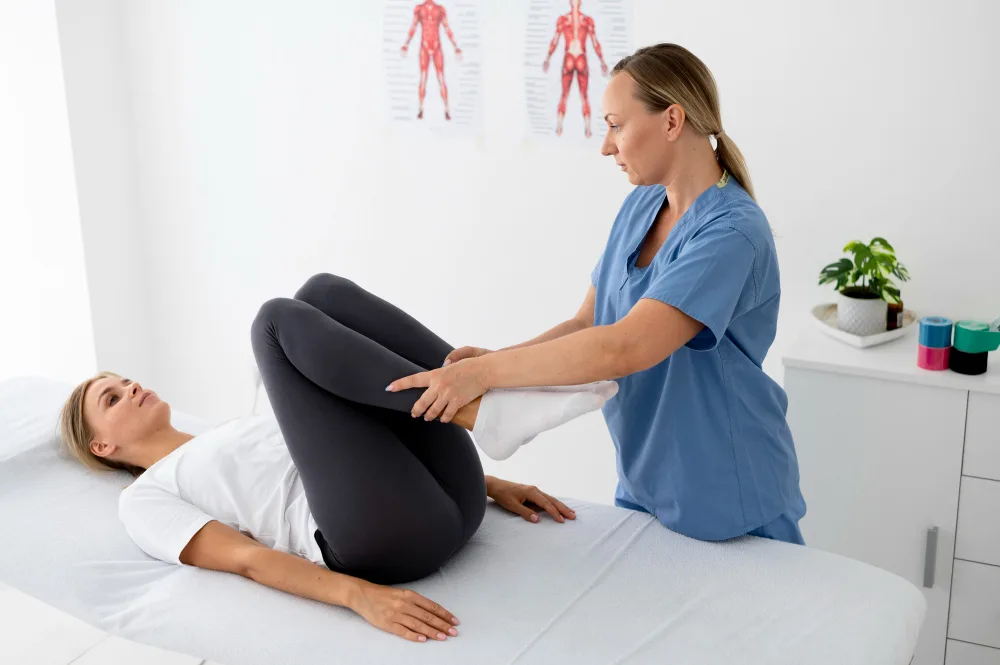
Supporting Strength, Comfort, and Recovery Through Every Stage of Motherhood
Pregnancy and childbirth bring many changes to the body. As the baby grows, extra pressure is placed on the muscles, joints, and connective tissues, especially the pelvic floor. After delivery, these muscles may need time and support to recover, whether the birth was vaginal or by caesarean section.
Pelvic floor physiotherapy helps many women prepare for childbirth, manage physical changes during pregnancy, and regain strength after delivery. At The Bright Physio & Mindfulness Massage in Beaumont, this approach focuses on improving pelvic health, restoring muscle function, and supporting confidence during daily activities.
This guide explains how pelvic floor physiotherapy works, its benefits during pregnancy and postpartum recovery, and why many women include it in their maternity care journey.
What Is Pelvic Floor Physiotherapy?
Pelvic Floor Physiotherapy focuses on assessing and improving the function of the pelvic floor muscles. These muscles form a supportive layer at the base of the pelvis and play an important role in bladder control, bowel function, core stability, and support for the pelvic organs.
During pregnancy and after childbirth, these muscles experience increased strain. A physiotherapist evaluates muscle strength, coordination, and flexibility before creating a suitable treatment plan that matches your stage of recovery.
Why Is the Pelvic Floor Important During Pregnancy?
As pregnancy progresses, the pelvic floor supports the growing weight of the baby, uterus, and surrounding tissues. Hormonal changes also affect muscle and ligament flexibility, making proper muscle function even more important.
Healthy pelvic floor muscles help:
- Support the bladder and bowel
- Improve core stability
- Reduce pressure on the pelvis
- Prepare the body for labour
- Promote healthy movement during pregnancy
- Support recovery after childbirth
Maintaining pelvic floor function may also make everyday activities more comfortable as pregnancy advances.
How Pelvic Floor Physiotherapy Supports Pregnancy
Many women begin pelvic floor physiotherapy during pregnancy to improve muscle awareness and prepare their bodies for labor.
Treatment may include:
- Pelvic floor muscle assessment
- Safe strengthening exercises
- Relaxation and breathing techniques
- Core muscle activation
- Posture advice
- Education about labour preparation
- Movement strategies for daily activities
These sessions aim to improve muscle coordination rather than simply strengthening the pelvic floor.
Benefits After Childbirth
Following childbirth, the pelvic floor may feel weaker due to stretching or muscle strain. Recovery varies from person to person, making professional assessment valuable.
Pelvic Floor Physiotherapy may support postpartum recovery by helping women
- Improve bladder control
- Restore pelvic floor strength
- Improve core stability
- Reduce pelvic heaviness
- Support comfortable movement
- Return to exercise safely
- Build confidence during everyday activities
Recovery plans are adjusted according to each person’s birth experience, symptoms, and recovery goals.
Common Conditions That Pelvic Floor Physiotherapy May Address
Many women seek pelvic floor physiotherapy for concerns that develop during pregnancy or after childbirth.
These may include:
- Urinary leakage
- Pelvic floor weakness
- Pelvic pain
- Lower back discomfort
- Pressure or heaviness in the pelvis
- Diastasis recti (abdominal separation)
- Difficulty returning to exercise
- Reduced core stability
Early assessment allows many women to understand what their bodies need during recovery.
What Happens During an Appointment?
Your first visit begins with a detailed discussion about your pregnancy, birth history, current symptoms, and personal goals.
Your physiotherapist may:
- Review your medical history
- Assess posture and movement
- Examine breathing patterns
- Evaluate core muscle function
- Assess pelvic floor muscle strength, when appropriate
- Explain findings clearly
- Develop an individual exercise plan
Every step of the assessment is discussed beforehand, and your comfort remains a priority throughout the appointment.
Exercises That May Be Recommended
Exercise plans vary depending on pregnancy stage or postpartum recovery.
Common exercises may include:
- Pelvic floor muscle contractions
- Relaxation exercises
- Diaphragmatic breathing
- Gentle core activation
- Hip strengthening
- Glute exercises
- Stretching routines
- Functional movement training
Consistency often produces the most noticeable improvements over time.
When Should You Consider Pelvic Floor Physiotherapy?
Many women benefit from an assessment even if they are not currently experiencing symptoms.
You may wish to consider pelvic floor physiotherapy if you:
- Are planning for childbirth
- Are currently pregnant
- Have recently given birth
- Experience bladder leakage
- Feel pelvic heaviness
- Notice weakness during exercise
- Have ongoing pelvic discomfort
- Want support before returning to fitness activities
Early care can help identify muscle changes before they become more noticeable.
Why Choose The Bright Physio & Mindfulness Massage in Beaumont?
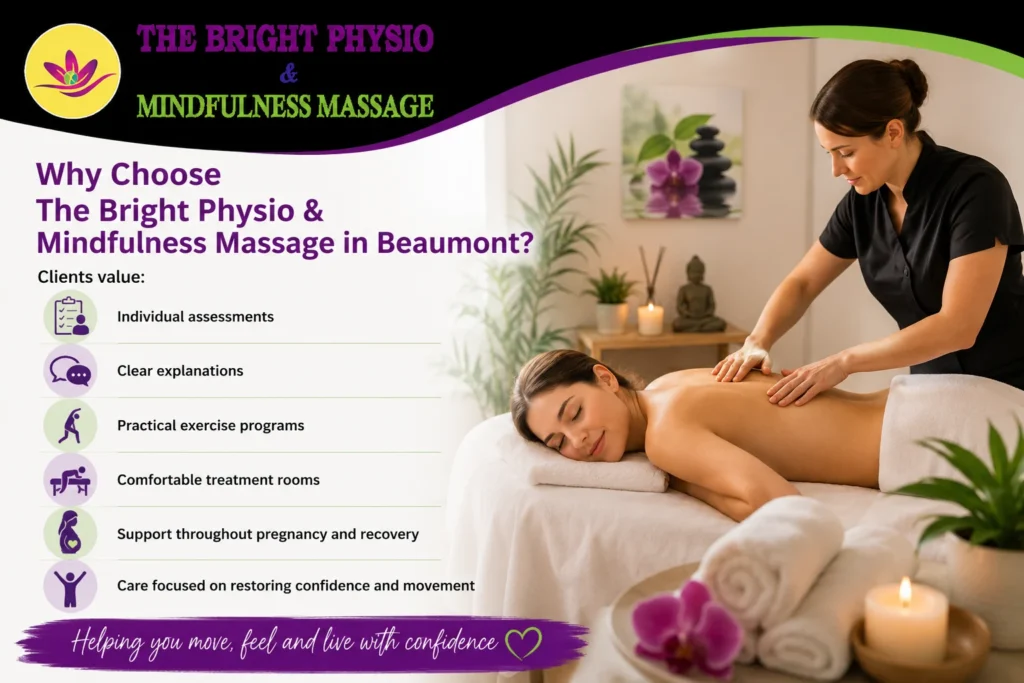
At The Bright Physio & Mindfulness Massage in Beaumont, women receive compassionate care in a calm and welcoming environment.
Clients value:
- Individual assessments
- Clear explanations
- Practical exercise programs
- Comfortable treatment rooms
- Support throughout pregnancy and recovery
- Care focused on restoring confidence and movement
Whether you are preparing for your baby’s arrival or recovering after childbirth, the clinic provides professional support throughout every stage.
Tips for Supporting Pelvic Floor Health
Simple daily habits can support your progress between appointments.
- Stay physically active with suitable exercises.
- Maintain healthy posture throughout the day.
- Practice diaphragmatic breathing.
- Avoid unnecessary straining.
- Lift objects using proper technique.
- Complete prescribed exercises consistently.
- Stay hydrated and maintain healthy bowel habits.
These habits complement the work completed during pelvic floor physiotherapy sessions.
Frequently Asked Questions
Is pelvic floor physiotherapy safe during pregnancy?
Yes. A qualified physiotherapist adjusts every assessment and exercise program according to your stage of pregnancy and your individual needs.
When should I start after childbirth?
Many women attend an assessment several weeks after delivery, although the ideal timing depends on individual recovery and advice from their healthcare provider.
Can it help after a caesarean birth?
Yes. Although the pelvic floor experiences different stresses during a caesarean birth, many women still benefit from assessment and rehabilitation.
Will I receive exercises to do at home?
Yes. Home exercises often form an important part of recovery and help improve strength and coordination between appointments.
Conclusion
Pregnancy and childbirth place unique demands on the body, but recovery does not have to be faced alone. Pelvic floor physiotherapy supports pelvic muscle function, core stability, bladder control, and confidence during everyday activities. Whether you are preparing for birth or recovering afterward, The Bright Physio & Mindfulness Massage in Beaumont provides professional care to help you move comfortably and confidently through every stage of motherhood.
If you are ready to support your recovery, pelvic floor physiotherapy can play an important role in your journey toward stronger pelvic health.
Contact The Bright Physio & Mindfulness Massage today to book your appointment and learn how pelvic floor physiotherapy can support your wellness goals. Our clinic is conveniently located at 4904 30 Ave, Beaumont, Alberta, making it easier for mothers and families in Beaumont and surrounding areas to access personalized physiotherapy care.